The Curve and the Right Angle: Edge Craft, Feel and Safety in Display Props道具的圆弧与直角:边角工艺的手感与安全
On a jewellery counter, the part customers touch most is often not the velvet but the edge of the prop - the rim they pinch when picking up a ring stand, the border they hold when sliding out a tray. Edges are where props meet people most intensely, yet they are the easiest to overlook. When selecting props, buyers compare velvet colours and stand styles; but after three months of real use, what people remember is whether the edge is round enough and whether the corner digs into the hand. Curves and right angles may look like a styling choice, yet behind them sit three accounts - feel, looks and safety - worth settling before you place the order.
Feel Lives in the Curve
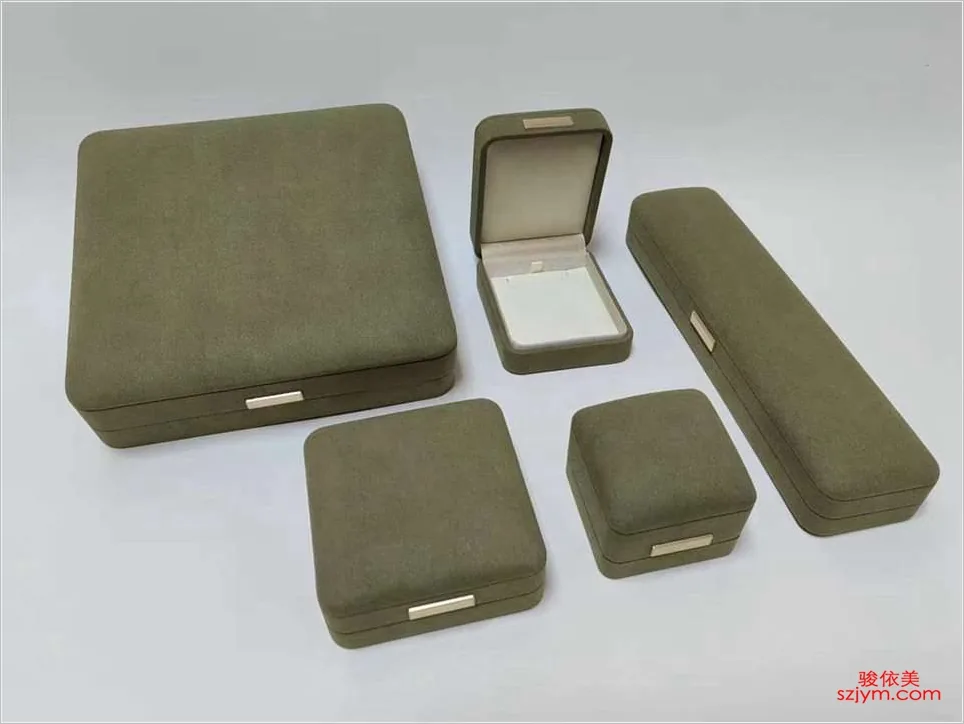
The human palm is curved; the centre of the hand and the fingertips all carry a radius. When you hold a prop, a smooth rounded edge naturally fits the palm, and taking goods in and out is smooth and scratch-free. When the slots of a tray are rounded, rings and studs glide in and out, and customers' fingers are not caught on hard edges during try-ons. A little radius on crossbars and corners of stands lets staff carry trays and customers pick up pieces with less effort. In industrial design, the R-angle simply spreads stress evenly across the arc: rounded props last longer, resist chipping on impact, and velvet wraps them more easily without creasing at right angles. Much of a prop's feel lives in those curves.
Right Angles Build Order
Right angles are not a bad thing. Jewellery itself is warm and rounded, and props with crisp straight lines and right angles contrast with the goods, making the display look sharp and professional: the compartments of a tray, the frame of a sign holder, the uprights of a stand - right angles give them clear outlines and a sense of order at a glance. Straight lines do real work in making a cabinet look reliable and rigorous. But well-made display props are rarely all-right-angle: they use curves on contact surfaces and right angles on visual surfaces. The inner wall of a slot is rounded for easy access, while its outer edge stays square for a neat look; the column of a stand stays square to stand firm, while its top is chamfered to prevent knocks. Curves and right angles are not a choice between two options but a division of labour.
Safety Is the Baseline of Edge Work
The first reason for edge treatment is safety. If the folded edge of a metal stand is not polished, the crease becomes a burr that can scratch a customer's finger or snag packaging; if acrylic edges are not chamfered and polished, they are as sharp as blades and can cut hands during cleaning; wooden props with sharp corners are a bruise waiting to happen. Children often lean against counters, and rounded edges are a form of protection. More practically, burrs and sharp edges make customers question the professionalism of the whole store - one scratch can lose a sale. When accepting props, running a hand along every edge is basic practice for every experienced shopkeeper.
Each Material Has Its Own Edge
The edge of velvet props is wrapped: stitching on a rounded tray must be even, with no creases or piled pile along the curve, and the hem tucked underneath so it survives repeated wiping. The edge of acrylic props is chamfered and polished so transparence is unaffected and light still passes through cleanly. The edge of wooden props is shaped with the finish so the line stays soft and the paint does not chip. The edge of metal props is folded and then rounded, keeping the metal crisp while removing the sharpness. Materials differ, but the standard is the same - the visible side is clean and sharp, and the hidden side is equally smooth. Only then is the edge work qualified.
Put Edges on the Acceptance List
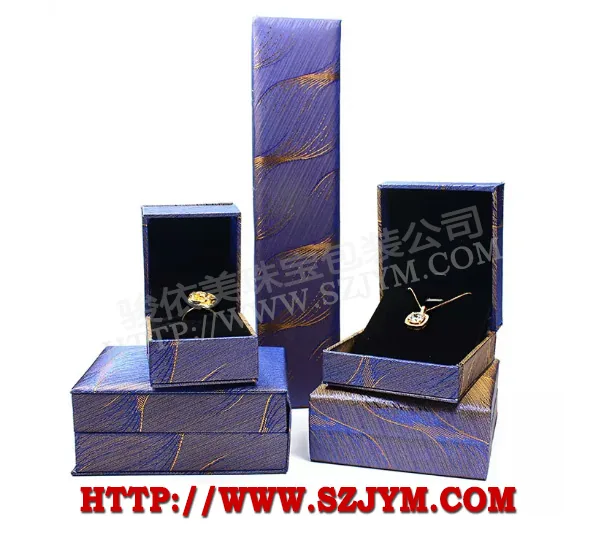
Most stores only check quantity and style when props arrive, and edges are often skipped. That is exactly where problems show up: in batch production, a slight deviation in the chamfer parameter turns a round corner into a blunt one, and rushed stitching makes curves pucker. Add four steps to the acceptance list: first, run a hand along every edge to find burrs; second, check whether the chamfer is even and the wrap is flat; third, try a few pieces to feel the smoothness of slots; fourth, note problem batches and feed them back for rework or parameter adjustment. Details such as corner radius and stitch pitch should also be written into the specification at ordering time, turning edge work from a craft parameter into a verifiable standard.
Craft Shows at the Edges
Curves and right angles are not a matter of style but of function: round what should be round, square what should be square, balancing feel and looks, safety and durability. When choosing props, do not just look at the front - turn them over and inspect the edge, because the real craft of a prop hides in its corners. Shenzhen Junyimei focuses on jewellery display and counter props, and can customise details such as rounded chamfers and wrapped edges. Welcome to discuss solutions based on your counter types and goods.
Original statement: This article is original by Shenzhen Junyimei (lbobo.com). Credit appreciated when sharing. Professional jewellery display props, welcome to visit: https://www.lbobo.com
珠宝柜台上的道具,顾客摸到最多的往往不是绒面,而是道具的边缘——拿起戒托时捏住的那条边,推开托盘时扶着的那道沿。边角是道具与人接触最密集的地方,却最容易被忽略:选货时比的是绒面颜色、支架款式,真正用到三个月,让人记住的常常是那条边够不够圆、那处棱角会不会硌手。圆弧与直角,看起来只是造型差异,背后其实是手感、视觉与安全的三笔账,值得在订货前就好好想清楚。
手感藏在弧度里
人的手掌是弧面的,掌心、指腹都是曲率,握持一件道具时,顺滑的圆角会自然地服帖于手掌,取放货品不卡不刮。托盘的格位边缘做成圆角,戒指、耳钉进出槽位就顺滑,顾客试戴时的手指也不会被硬边剐到;支架的横梁、扶手的转角带一点弧度,店员端盘、顾客取货都省力。工业设计里讲究的R角,其实就是把应力均匀分散到弧面上,圆角让道具更耐用,磕碰时不易崩边,绒布也更容易包覆服帖,不会在直角处堆起褶皱。道具的手感,大半就藏在这些弧度里。
直角撑起秩序感
直角并非不好。珠宝本身温润圆柔,道具用利落的直线与直角,恰好能与货品形成对比,把陈列衬得精神、专业:托盘的格位、立牌的边框、支架的立柱,直角让它们的轮廓清晰,一眼看去秩序分明。展柜里的排列要给人信得过、很严谨的感觉,直线条功不可没。但真正讲究的陈列道具,很少全件直角——接触面用圆角,视觉面用直角,两者搭配才是常态:格位内壁圆角方便取放,格位外沿直角显得利落;支架立柱保持直角站稳,立柱顶端倒角防磕。圆弧与直角不是二选一,而是各司其职。
安全是边角的底线
边角处理的第一个理由是安全。金属支架的折边如果没有打磨,折痕处就是一道毛刺,划伤顾客手指、勾丝货品包装都是常事;亚克力切边若不倒角抛光,边缘锋利如刀片,清扫、取放时极易割手;木质道具的棱角高速磕碰,虽然概率不高,一旦撞上就是淤青。柜台里常有儿童攀附,边角圆润也是对孩子的一种保护。更实际的是:毛刺和利边会让顾客对整家店的专业度打问号,一次划手就可能失去一单生意。验收道具时,用手顺着每条边摸一遍,是所有老师傅都会做的基本功。
不同材质,各有各的边
绒布道具的边,是包出来的:圆角托盘的包边针脚要均匀,弧线处不起褶、不堆绒,包边条收口藏在底层才经得起反复擦拭。亚克力道具的边,是倒出来的:切面倒角后抛光,透明度不受影响,光线穿过时边缘仍然通透。木质道具的边,是削出来的:倒角与漆面同步处理,棱线柔和且不易磕漆。金属道具的边,是折出来的:折边后再压圆,既保留金属的挺拔,又去掉毛刺的锋利。每种材质的工艺不同,但标准一致——看得见的一面干净利落,看不见的一面同样光滑,才算是合格的边角处理。
把边角写进验收清单
到货验收时,多数门店只查数量和款式,边角常常漏检。这其实是最容易出问题的环节:批量定制中,倒角参数稍有偏差,圆角就变成钝角,包边走线一急,弧线就起皱。建议在验收清单里加四步:一摸,沿每条边摸一遍,找毛刺和利边;二看,倒角是否均匀、包边是否平整;三试,取放几件货品,感受槽位顺滑度;四记,把问题批次记录下来,反馈给厂家返工或调整参数。圆角半径、包边针距这类细节,也应在下单时就写进规格书,让边角从工艺参数变成可验收的标准。
边角见功夫
圆弧与直角不是风格选择题,而是功能分工:该圆的圆、该直的直,手感与观感兼顾,安全与耐用并存。挑选道具时,别只盯着正面看,翻过来看看那条边——道具的功夫,往往藏在边角里。深圳骏依美专注珠宝陈列与柜台道具,圆角倒边、包边收口等细节工艺均可定制,欢迎结合柜型与货品咨询配套方案。
原创声明:本文由深圳骏依美(lbobo.com)原创,欢迎转载,请注明出处。专业珠宝陈列道具,欢迎咨询:https://www.lbobo.com