Rehearsal for Opening Day: Stocking, Checking and the Walkthrough开业第一天的陈列彩排:上货、检查与走场
A jewellery store opens only once, and how it looks on the first day usually shapes what the first wave of customers think of the business. Renovation can finish early and stock can arrive early, but the moments that easily go wrong are exactly the display state at opening: trays not levelled, price tags facing different directions, lights not hitting the hero products, items in wall cabinets leaning every which way. Each of these seems minor, but piled together on day one they make customers feel the store is not yet professional. The fix is to treat opening-day display as a performance and rehearse it in advance: stocking, checking and the walkthrough. Finish the three steps and the doors simply open on an established scene.
Step 1: Sort First, Then Dress the Counters
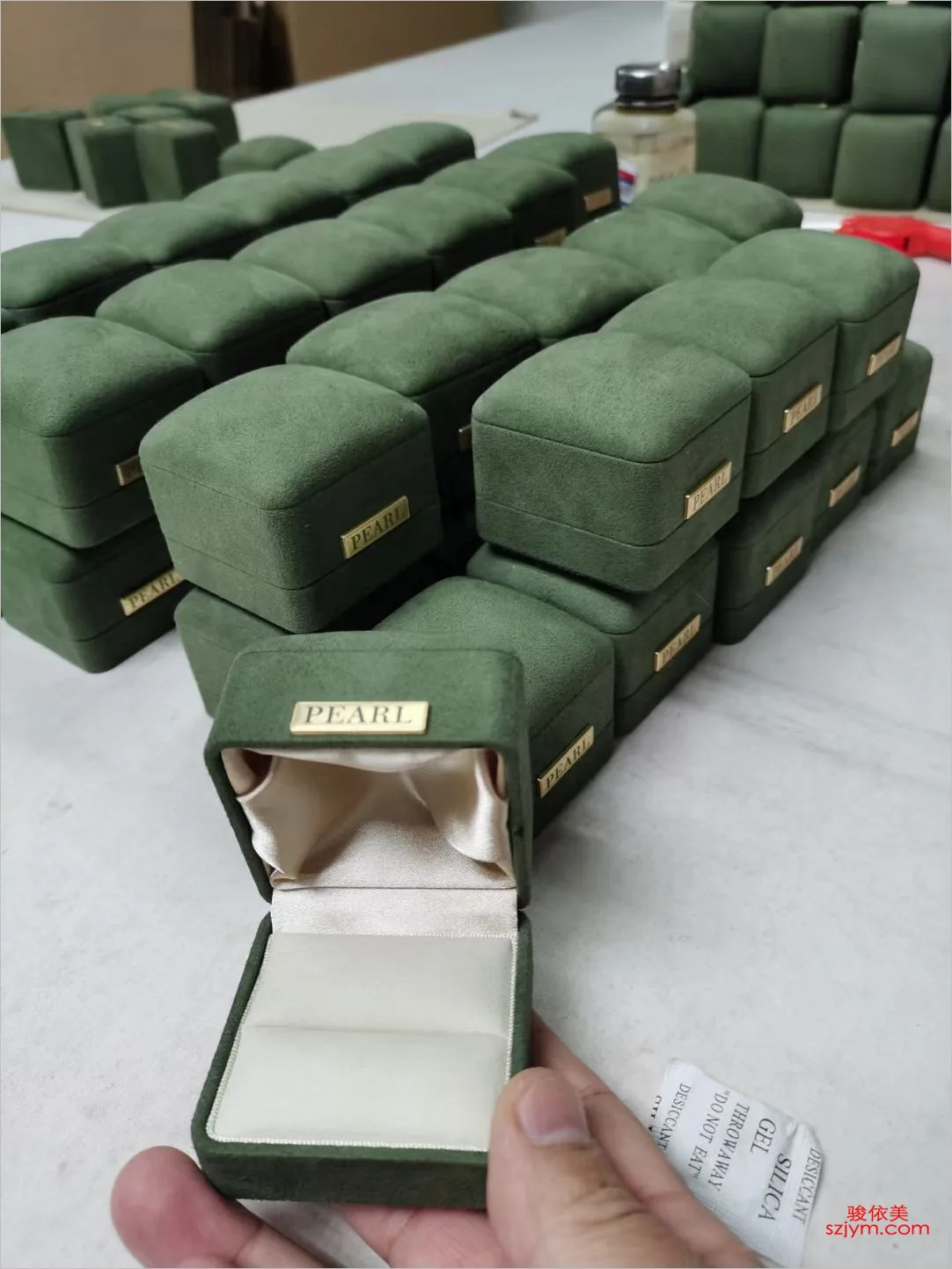
Stocking is not just placing items into trays. Sort the merchandise before dressing: group everything by category, material and price, rings with rings, necklaces with necklaces and earrings with earrings, so you never improvise on the counter and end up with a messy surface. Then dress in order, large items first: necklaces, bracelets and bangles go onto stands first because they take clear positions and establish the counter structure; rings and studs follow to fill trays and compartments; final adjustments belong to accessories and display pieces. Within one tray, arrange by colour and size, dark edges with light centres, so the tray looks ordered rather than packed. While stocking, inspect each item and swap out scratched, deformed or damaged pieces before opening, not after they sit on display.
Step 2: Four Checks - Light, Glass, Tags and Grip
After stocking, walk through every counter and check four things: lights, glass, price tags and grip. Light each cabinet to review the effect: does the hero position receive light on the front of the item, is the colour temperature consistent, and is any single lamp too bright or too dim, breaking the rhythm? Glass is the face of the counter, so clean it thoroughly with glass cleaner before opening, especially the corners without streaks, and glance from the side for fingerprints. Price tags are the customer's first information source: unify the orientation, font and alignment, and match each tag to its item so nobody sees the piece without the price. Grip is the easiest to overlook: is the velvet tray smooth, are stands stable, and can cabinet doors open without knocking over items? These details decide whether day one has an accident. Note every problem and fix it the same day.
Step 3: Walk the Route and Anchor the Hero
With checks done, do the walkthrough - come in through the door as a customer and view the counters along the real route. Is the first thing seen within three seconds the store's hero product? The point one-third into the counter depth, at eye level, is the golden spot where attention most easily rests; put the hero there. Trays beside the try-on area should open toward the customer for easy access. Window and central island positions carry the pieces that best represent the store's grade rather than being crammed full. Have staff take turns role-playing customers and observe from different angles and distances: what does a standing viewer see, what does someone leaning in see? If a position is blocked or a piece reflects badly, adjust on the spot. The finer the walkthrough, the calmer opening day.
Opening Day: Arrive Early and Recheck the Checklist
Rehearsal is not a one-off. On opening morning, recheck again: arrive an hour and a half early and run through the checklist - were trays moved by overnight cleaning, has velvet sagged, are there fresh fingerprints on the glass, have price tags been knocked askew, are all lights working? These checks take five minutes yet correct every small overnight shift. After the first rush, spend ten minutes touring again, returning items customers tried on and straightening disturbed trays. One full rehearsal, a morning recheck and a post-rush reset remove nearly all the strangeness from a new counter.
Make Day One the Standard
Opening display is not the end of renovation but the beginning of operations. Stocking respects order, checking respects detail and the walkthrough respects perspective; rehearsing these three steps removes problems early so opening day is spent entirely on welcoming customers. When counters come together at once, the first impression is half won. The checklist built during rehearsal can be kept as a general template for weekly tours and seasonal changes, so every busy day looks as careful as day one. Shenzhen Junyimei focuses on jewellery display and counter props, offering opening display planning, tray and stand configuration and cabinet consumables. Welcome to consult for solutions matched to your cabinets and merchandise.
Original article by Shenzhen Junyimei (lbobo.com). Reprints welcome; please credit the source. Professional display props: https://www.lbobo.com
珠宝店开业只有一次,开业当天的观感,往往决定第一拨顾客对这家店的判断。装修可以提前完成,货品可以提前到店,但真正容易出乱子的,恰恰是开业那几分钟的陈列状态:托盘没垫平、价签方向不一、灯光没有对准主推位、壁柜里的货品东倒西歪。这些问题单独看都是小事,凑在开业第一天,就会让顾客觉得这家店还不够专业。解决办法是把开业陈列当成一次演出,提前彩排:上货、检查、走场,三步走完,开业当天只需按既定状态开门迎客。
第一步:上货先分类,装柜有次序
上货不是把货品放进托盘那么简单,讲究先后次序。先分货再上柜:开业前把全部货品按品类、材质、价位分组,戒指归戒指、项链归项链、耳饰归耳饰,避免上柜时边想边摆,柜面越摆越乱。上柜顺序上,大件先行:项链、手链、手镯先入架,它们体积大、占位明确,先把柜台的大结构立起来;随后是戒指、耳钉等小件,填充托盘和分格;最后才是需要临时调整的配饰与展示件。同一托盘之内,同类货品按色系和尺寸排布,深色压边、浅色居中,让托盘看起来有秩序而不是塞满。上货时顺便检查货品状态,划痕、变形、绒衬缺损的,趁开业前调换,不留到柜台上了再折腾。
第二步:检查四样,灯光、玻璃、价签、防滑
上完货,从头到尾过一遍检查,重点是四样:灯光、玻璃、价签、防滑。灯光要逐柜点亮看效果:主推位的光是否落在货品正面,色温是否统一,有没有一盏灯偏亮或偏暗抢了整体节奏。玻璃是柜台的脸面,开业前用玻璃清洁剂彻底擦一遍,重点处理四角不留水痕,擦完从侧面看一眼有没有指印。价签是顾客的第一信息来源,方向要统一朝外、字体一致、摆放齐平,价签和货品一一对应,避免顾客看了货找不到价。防滑最容易被忽略:绒布托盘是否平服,支架底座是否稳固,柜门开合会不会带倒货品,这些细节决定了开业第一天有没有现场事故。四项逐柜检查完,问题记下来趁当天修掉。
第三步:走场看动线,三秒定主推
检查完毕,进入走场环节——像顾客一样从门口走进来,按真实动线看一遍柜台。进门三秒看到的第一眼,是不是店里的主推货品?柜台进深方向的三分之一处、视线平齐的高度,是顾客目光最容易停留的黄金位,主推款应当摆在这里;试戴区旁的托盘要开口朝顾客、取放顺手;橱窗与中岛的形象位,放最能代表店铺档次的货品,而不是塞满。走场时让店员轮流扮演顾客,从不同角度、不同距离观察柜台:站着看的人看到什么,弯腰贴近的人又看到什么。发现某个位置被遮挡、某件货品反光看不清,当场调整。走场走得越细,开业当天越从容。
开业当天:提前到店,按清单复检
彩排不是一次性动作,开业当天早上还要再复检一遍。提前一个半小时到店,按彩排清单快速走一遍:托盘有没有被夜间清洁挪动,绒布有没有塌陷,玻璃上有没有新指印,价签有没有被碰歪,光源是否全部正常。这些检查五分钟就能过完,却能把隔夜带来的小变化全部修正。开业后第一个高峰过去,再抽十分钟巡一次柜,把顾客试戴后放错的货品复位、把翻乱的托盘整理归位。一次完整的陈列彩排,加上开业的晨间复检和高峰后的复位,新柜台的陌生感就基本消失了。
让第一天成为标准
开业陈列不是装修的收尾,而是经营的开始。上货讲次序、检查讲细节、走场讲视角,三步彩排提前把问题排掉,开业当天才能把全部精力放在迎客上。柜台一次就位,顾客的第一印象就赢了一半。彩排形成的清单还可以留下来,作为日后每周巡柜、季度换装的通用范本。深圳骏依美专注珠宝陈列与柜台道具,提供开业陈列规划、托盘支架配置与展柜耗材,欢迎结合柜型与货品咨询配套方案。
原创声明:本文由深圳骏依美(lbobo.com)原创,欢迎转载,请注明出处。专业珠宝陈列道具,欢迎咨询:https://www.lbobo.com