Monthly Inspection of Jewelry Counter Display Props: Checking Velvet, Lighting and Stickers珠宝柜台陈列道具的月度巡检:绒、灯、贴三件套怎么查
The three most frequently used props in a jewelry counter are velvet pads, lighting and anti-slip stickers. They look ordinary, yet they interact with merchandise and customers every single day. Long-term use brings sagging velvet, drifting color temperature and curling sticker edges. These subtle signs of aging do not break the counter overnight, but they quietly drain the premium feel of your displays. Rather than repairing after customers say the counter looks old, make prop inspection a fixed monthly routine. Here is how to check velvet, lighting and stickers one by one.
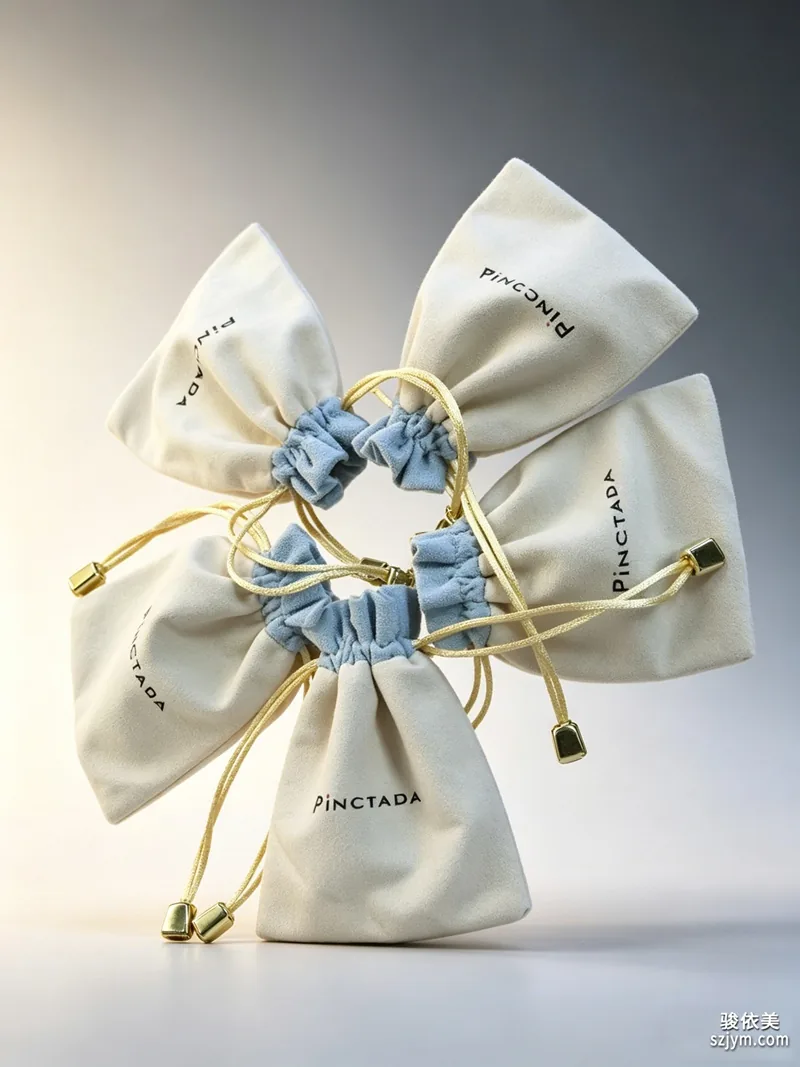 Start with velvet pads. Velvet pads are the fabric linings placed on shelves, trays and ring stands to cushion, prevent slipping and highlight the texture of merchandise. They wear out fast: pressure areas collapse into shallow pits, high-touch golden jewelry zones develop shiny patches and darker color, while water, sweat and cosmetics leave stubborn stains. To inspect, press the surface flat with your palm and feel whether the rebound is even; scan across the fabric with side light to spot visible dents and glossy zones; turn over the tray corners to see whether the glue has peeled off. Replace or flip the pad when there is large-scale sagging or obvious discoloration. Light nap can be brushed back to normal, but the standard is simple: the pad must keep the merchandise standing firmly in its tray.
Next, lighting. Counter lighting has two jobs: to brighten the goods and to show their true colors. As LED chips age, the typical symptom is color temperature drift - warm golden light turns yellower, or cool white light turns bluer over time. Brightness also decays noticeably after two or three years, creating uneven dark zones in the counter. For inspection, switch off ambient light and turn on the counter lamp alone, then observe the consistency of illumination across all levels with your eyes or a phone. Place a white or sterling silver item under the light to compare shades. Watch for a buzzing ballast, blackened chips or flickering. When a single chip turns black, replace the whole light strip, because a single new chip can hardly match the color temperature and brightness of the rest, and mixed lighting actually makes the counter look older.
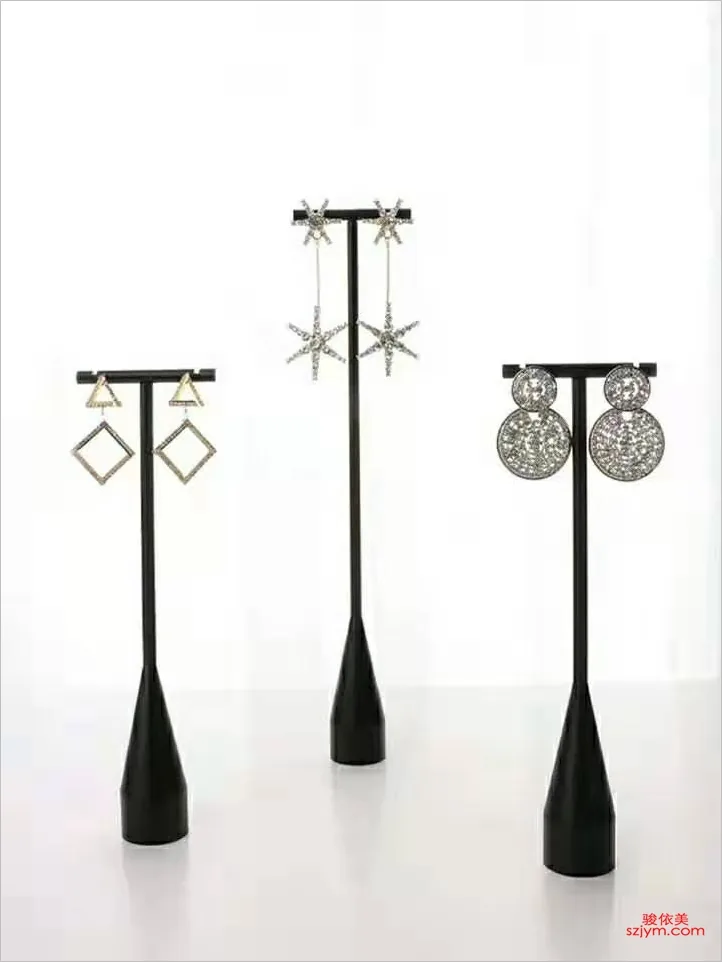 Then check anti-slip stickers and feet. Anti-slip stickers line tray compartments and shelf surfaces, while feet go under display props to prevent slipping, scratching and to fine-tune leveling. Their common problem is curling: as the adhesive ages, edges lift up, which not only looks bad but also lets merchandise wobble slightly. Adhesion also becomes dusty and loses grip, so the whole tray slides when picked up. For inspection, crouch to eye level with the counter surface and look for lifted edges; press the sticker edges with a finger to test grip; push the tray sideways with a palm to check whether the fixtures have loosened. Mild curling can be re-pressed with a heat gun, while badly curled or dead stickers should simply be replaced.
Beyond the three, remember a few easy-to-miss spots. First, counter glass and dividers: scratches and fingerprints are amplified under light, and a dedicated cleaner with a chamois cloth every week works better than any magic potion. Second, hinges and drawer rails: jewelry drawers open frequently, and dust and lint accumulate in the rails, making drawers stiff and unable to close tightly. Third, idle props such as seasonal display stands sitting in storage for months should be thoroughly checked before returning to the counter, to confirm they have not absorbed moisture, warped or grown mold.
Turning the inspection into a checklist improves efficiency. Design a simple card divided by counter zone, with each row representing one counter or tray group, and five dimensions in columns: velvet sagging, light color temperature, sticker curling, glass scratches and rail smoothness. Mark pass or fail for each item, and note the treatment for failures: replace pad, replace lamp, re-press edge or clean. One card per month, and at month-end match it with the purchase list to see what is in stock and what needs restocking. In this way, inspection is no longer a random afterthought but a structured, documented and accountable daily routine.
One final remark: prop inspection is not being stingy, it is doing the math. A velvet pad costs about thirty yuan, a light strip anywhere from tens to a hundred-plus, and anti-slip stickers are a matter of a few yuan. Yet a single item in the counter is worth thousands or even tens of thousands of yuan. A collapsed pad cannot hold the piece steady, and outdated lighting cannot show its quality; the seconds of hesitation from a customer cost far more than replacement parts. Inspecting the three essentials well keeps the counter looking as spirited as on opening day - and that is the real purpose of the routine.
Run through this checklist this month, then take a second look at your counter. You will find your store deserves a proper little tune-up after all.珠宝柜台里最常用的三样道具是绒垫、灯光和防滑贴,它们看着不起眼,却是每天与货品、顾客打交道最频繁的部分。柜台用久了,绒垫塌陷、灯光偏色、贴片卷边,这些细小的老化不会让柜台立马"坏掉",却会在不知不觉中拉低货品的高级感。与其等客人觉得"柜台旧了"再补救,不如把道具的检查做成一件按月固定的例行公事。本月巡检怎么做、查到什么程度才过关,下面按绒、灯、贴三件套逐一说明。
先看绒垫。绒垫是柜台里铺在层板、托盘和戒指托上的绒布底衬,主要作用是缓冲、防滑和衬托货品的质感。它的问题是损耗快:长期受压的地方会塌陷,出现一个浅浅的"坑";黄金货品拿放频繁的区域,绒面会被磨出亮光的"包浆",颜色也会发深;水渍、汗渍和化妆品残留则会留下洗不掉的斑。巡检时用手掌平按绒面感受回弹是否均匀,用侧面光扫过绒面看有无明显压痕与反光区,再翻开托盘边角看绒布是否脱胶起翘。如果有大面积塌陷或者色差明显的斑块,就该换垫或翻面。小范围的起绒正常梳一下即可,但判断标准是:绒垫不能影响货品在托盘里"立得住"。
再说灯光。柜台的灯光承担两件事:一是把货照亮,二是把货照"对"。灯珠老化后,最典型的症状是色温漂移——原本偏暖的金色灯光越来越黄,或者偏白的灯光越用越蓝;其次是亮度衰减,灯珠用了两三年后光通量会明显下降,柜台里出现不均匀的暗区。巡检时先关掉环境光单独打开柜台灯,用肉眼观察各层照度是否均匀,再拿白色或纯银货品放到灯光下比对有无偏色,最后听镇流器有无异响、看灯珠有无发黑频闪。发现单颗灯珠发黑,最好整条灯带更换,因为单换一颗其他灯珠的色温和亮度很难完全一致,混着用反而更显旧。
然后是防滑贴与脚贴。防滑贴常用于托盘格底和展架面,脚贴则贴在展示道具的底部,负责防滑、防刮和微调水平。它们的通病是卷边:胶层老化后边角翘起,不仅难看,还会让货品放上去轻微晃动;其次是起灰,贴面失去粘性后不再"咬"住绒面,整个托盘在拿取时会跟着滑动。巡检时弯腰平视柜面看有无翘起边角,用手指轻按贴面边缘测试粘性,再用手掌横向推托盘检查固定件有无松动。卷边轻微的就用热风枪重新压平,卷得厉害或者失去粘性的直接换新贴。
除了三件套本身,巡检时还要连带看几处容易遗漏的地方。一是柜台玻璃与隔层,划痕指纹在灯光下会被放大,专用清洁剂配麂皮布每周擦一遍最有效。二是铰链和抽屉轨道,首饰柜的抽屉开合频繁,轨道里的灰尘和碎绒会越积越厚,导致抽屉发涩、合不严。三是不常用的道具,比如季节性的展示架,收在库房里几个月无人问津,再上柜前最好整体检查一遍,确认没有受潮、变形或者发霉;这类道具上柜前的除尘和除味同样值得花几分钟做一遍。
把巡检落成表格效率更高。按柜台分区做一张检查卡,每行一个柜台,列上"绒垫塌陷、灯光色温、贴片卷边、玻璃划痕、轨道顺滑"五个维度,标通过或不通过,并直接写上处理方式:换垫、换灯、压边或清洁。一个月一张卡,月底顺手跟采购单对一下,哪些货品在库、哪些要补,一目了然。这样巡检就不再是"想起来才查",而是有节奏、有记录、能追责的日常管理。
最后说一句:道具巡检不是抠门,而是算账。一张绒垫三十块钱上下,一条灯带几十到一百多,防滑贴更只是几块钱的事;但柜台里一件货少则几千、多则数万,绒垫塌了托不稳、灯光旧了照不出质感,客人犹豫的那几秒,损失的远不止换道具的钱。让柜台每天像新开业那天一样精神,才是巡检真正的目的。
本月照这张清单过一遍,再去看看柜台,你会发现自己家的店其实还挺值得好好"装修"的。
Start with velvet pads. Velvet pads are the fabric linings placed on shelves, trays and ring stands to cushion, prevent slipping and highlight the texture of merchandise. They wear out fast: pressure areas collapse into shallow pits, high-touch golden jewelry zones develop shiny patches and darker color, while water, sweat and cosmetics leave stubborn stains. To inspect, press the surface flat with your palm and feel whether the rebound is even; scan across the fabric with side light to spot visible dents and glossy zones; turn over the tray corners to see whether the glue has peeled off. Replace or flip the pad when there is large-scale sagging or obvious discoloration. Light nap can be brushed back to normal, but the standard is simple: the pad must keep the merchandise standing firmly in its tray.
Next, lighting. Counter lighting has two jobs: to brighten the goods and to show their true colors. As LED chips age, the typical symptom is color temperature drift - warm golden light turns yellower, or cool white light turns bluer over time. Brightness also decays noticeably after two or three years, creating uneven dark zones in the counter. For inspection, switch off ambient light and turn on the counter lamp alone, then observe the consistency of illumination across all levels with your eyes or a phone. Place a white or sterling silver item under the light to compare shades. Watch for a buzzing ballast, blackened chips or flickering. When a single chip turns black, replace the whole light strip, because a single new chip can hardly match the color temperature and brightness of the rest, and mixed lighting actually makes the counter look older.
Then check anti-slip stickers and feet. Anti-slip stickers line tray compartments and shelf surfaces, while feet go under display props to prevent slipping, scratching and to fine-tune leveling. Their common problem is curling: as the adhesive ages, edges lift up, which not only looks bad but also lets merchandise wobble slightly. Adhesion also becomes dusty and loses grip, so the whole tray slides when picked up. For inspection, crouch to eye level with the counter surface and look for lifted edges; press the sticker edges with a finger to test grip; push the tray sideways with a palm to check whether the fixtures have loosened. Mild curling can be re-pressed with a heat gun, while badly curled or dead stickers should simply be replaced.
Beyond the three, remember a few easy-to-miss spots. First, counter glass and dividers: scratches and fingerprints are amplified under light, and a dedicated cleaner with a chamois cloth every week works better than any magic potion. Second, hinges and drawer rails: jewelry drawers open frequently, and dust and lint accumulate in the rails, making drawers stiff and unable to close tightly. Third, idle props such as seasonal display stands sitting in storage for months should be thoroughly checked before returning to the counter, to confirm they have not absorbed moisture, warped or grown mold.
Turning the inspection into a checklist improves efficiency. Design a simple card divided by counter zone, with each row representing one counter or tray group, and five dimensions in columns: velvet sagging, light color temperature, sticker curling, glass scratches and rail smoothness. Mark pass or fail for each item, and note the treatment for failures: replace pad, replace lamp, re-press edge or clean. One card per month, and at month-end match it with the purchase list to see what is in stock and what needs restocking. In this way, inspection is no longer a random afterthought but a structured, documented and accountable daily routine.
One final remark: prop inspection is not being stingy, it is doing the math. A velvet pad costs about thirty yuan, a light strip anywhere from tens to a hundred-plus, and anti-slip stickers are a matter of a few yuan. Yet a single item in the counter is worth thousands or even tens of thousands of yuan. A collapsed pad cannot hold the piece steady, and outdated lighting cannot show its quality; the seconds of hesitation from a customer cost far more than replacement parts. Inspecting the three essentials well keeps the counter looking as spirited as on opening day - and that is the real purpose of the routine.
Run through this checklist this month, then take a second look at your counter. You will find your store deserves a proper little tune-up after all.珠宝柜台里最常用的三样道具是绒垫、灯光和防滑贴,它们看着不起眼,却是每天与货品、顾客打交道最频繁的部分。柜台用久了,绒垫塌陷、灯光偏色、贴片卷边,这些细小的老化不会让柜台立马"坏掉",却会在不知不觉中拉低货品的高级感。与其等客人觉得"柜台旧了"再补救,不如把道具的检查做成一件按月固定的例行公事。本月巡检怎么做、查到什么程度才过关,下面按绒、灯、贴三件套逐一说明。
先看绒垫。绒垫是柜台里铺在层板、托盘和戒指托上的绒布底衬,主要作用是缓冲、防滑和衬托货品的质感。它的问题是损耗快:长期受压的地方会塌陷,出现一个浅浅的"坑";黄金货品拿放频繁的区域,绒面会被磨出亮光的"包浆",颜色也会发深;水渍、汗渍和化妆品残留则会留下洗不掉的斑。巡检时用手掌平按绒面感受回弹是否均匀,用侧面光扫过绒面看有无明显压痕与反光区,再翻开托盘边角看绒布是否脱胶起翘。如果有大面积塌陷或者色差明显的斑块,就该换垫或翻面。小范围的起绒正常梳一下即可,但判断标准是:绒垫不能影响货品在托盘里"立得住"。
再说灯光。柜台的灯光承担两件事:一是把货照亮,二是把货照"对"。灯珠老化后,最典型的症状是色温漂移——原本偏暖的金色灯光越来越黄,或者偏白的灯光越用越蓝;其次是亮度衰减,灯珠用了两三年后光通量会明显下降,柜台里出现不均匀的暗区。巡检时先关掉环境光单独打开柜台灯,用肉眼观察各层照度是否均匀,再拿白色或纯银货品放到灯光下比对有无偏色,最后听镇流器有无异响、看灯珠有无发黑频闪。发现单颗灯珠发黑,最好整条灯带更换,因为单换一颗其他灯珠的色温和亮度很难完全一致,混着用反而更显旧。
然后是防滑贴与脚贴。防滑贴常用于托盘格底和展架面,脚贴则贴在展示道具的底部,负责防滑、防刮和微调水平。它们的通病是卷边:胶层老化后边角翘起,不仅难看,还会让货品放上去轻微晃动;其次是起灰,贴面失去粘性后不再"咬"住绒面,整个托盘在拿取时会跟着滑动。巡检时弯腰平视柜面看有无翘起边角,用手指轻按贴面边缘测试粘性,再用手掌横向推托盘检查固定件有无松动。卷边轻微的就用热风枪重新压平,卷得厉害或者失去粘性的直接换新贴。
除了三件套本身,巡检时还要连带看几处容易遗漏的地方。一是柜台玻璃与隔层,划痕指纹在灯光下会被放大,专用清洁剂配麂皮布每周擦一遍最有效。二是铰链和抽屉轨道,首饰柜的抽屉开合频繁,轨道里的灰尘和碎绒会越积越厚,导致抽屉发涩、合不严。三是不常用的道具,比如季节性的展示架,收在库房里几个月无人问津,再上柜前最好整体检查一遍,确认没有受潮、变形或者发霉;这类道具上柜前的除尘和除味同样值得花几分钟做一遍。
把巡检落成表格效率更高。按柜台分区做一张检查卡,每行一个柜台,列上"绒垫塌陷、灯光色温、贴片卷边、玻璃划痕、轨道顺滑"五个维度,标通过或不通过,并直接写上处理方式:换垫、换灯、压边或清洁。一个月一张卡,月底顺手跟采购单对一下,哪些货品在库、哪些要补,一目了然。这样巡检就不再是"想起来才查",而是有节奏、有记录、能追责的日常管理。
最后说一句:道具巡检不是抠门,而是算账。一张绒垫三十块钱上下,一条灯带几十到一百多,防滑贴更只是几块钱的事;但柜台里一件货少则几千、多则数万,绒垫塌了托不稳、灯光旧了照不出质感,客人犹豫的那几秒,损失的远不止换道具的钱。让柜台每天像新开业那天一样精神,才是巡检真正的目的。
本月照这张清单过一遍,再去看看柜台,你会发现自己家的店其实还挺值得好好"装修"的。