Jewelry Enters Its Rental Era珠宝的租赁时代
Open a velvet box and you will find a pair of diamond earrings you never bought. Last month they caught the light on someone else's ear in another city; next month they will travel to a third. What you paid was a monthly fee, not their worth. This is not science fiction — it is the quiet fault line rewriting the jewelry industry in 2026: rental is making ownership optional.
The numbers are blunter than intuition. By Stats N Data's reckoning, the global jewelry rental market stood at roughly $2.4 billion in 2026 and is projected to reach nearly $4.9 billion by 2033, compounding at 10.8% a year. Widen the lens to "subscription services" — rental plus monthly delivery, try-before-you-buy, and curated purchase — and the larger pool was already about $3.3 billion in 2026, heading to $6.4 billion by 2033 at 12.8% CAGR. A second industry report sizes the subscription slice a little differently (about $687 million in 2025, $1.87 billion by 2032, 15.3% CAGR), but the direction is unanimous: up, and steepening.
North America remains the deepest profit pool — about $720 million in rental revenue for 2026, over 40% of the world — but the excitement sits in Asia-Pacific, and China in particular. At roughly $260 million, the Chinese market is small but repeatedly flagged as one of the fastest-growing, with tier-one and tier-two city consumers folding "rotating looks" and livestream culture into how they spend. Domestic platforms are already testing short-duration rental tied to weddings, festivals, and influencer-led occasions — the same moments that once meant a one-time purchase now mean a temporary one.
Why now? Three threads twist together. First, the circular-economy story finally reaches the body: buying a diamond necklace worn once at a wedding, versus renting it for three days, no longer has an obvious winner on waste. Second, a generational switch — Millennials and Gen Z turned "experience over ownership" from a slogan into a line item, happy to pay for looking effortlessly expensive but reluctant to fund gold that gathers dust. Third, the amplification of social media: when a pair of earrings lives for little more than a weekend in a grid of nine, owning them matters less than being photographed in them.
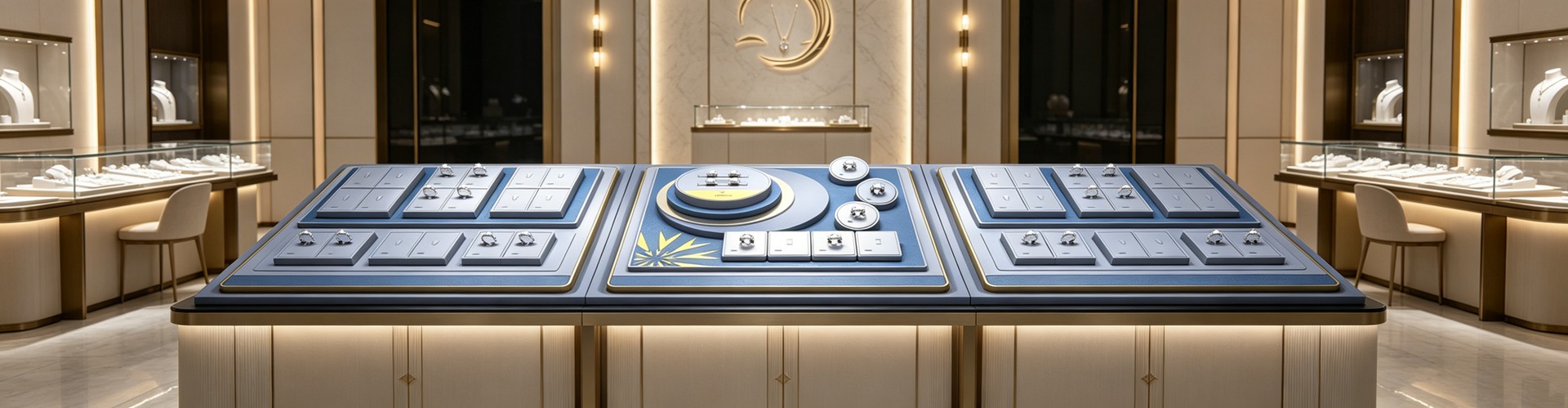
The players are already on the board. In the US, Rocksbox was acquired by Signet Jewelers back in 2022; Vivrelle and Rent the Runway turned monthly fees into "Netflix for jewelry." Europe has lighter platforms like Hurr and By Rotation, built around red-carpet and party short-rentals. The model is similar everywhere: one subscription, a rotating edit, insurance and cleaning and repair bundled in. By category, necklaces take a third of rental demand (33.1%), earrings 21.6%, rings 19.1%, bracelets and bangles 16.1%. By occasion, weddings dominate (about $345 million), parties and galas follow (about $149 million), and daily or subscription wear — small at $324 million — is the fastest-growing slice. Rental, in other words, first caught the most expensive, lowest-frequency need of all: the highlight moments of a life.
It is worth separating rental from its louder cousin, resale. Both belong to the "access economy," but they solve different anxieties. Resale lets you own something pre-loved and keep it; rental lets you wear something pristine and hand it back. For brands, rental keeps the asset — and the control over its condition and story — on their side of the counter, which is why luxury houses that once flinched at the secondhand market are far more comfortable lending. For the wearer, rental removes the closet problem entirely: the necklace for the reunion, the chandelier earrings for the gala, the tennis bracelet for the wedding — none of it has to live in your drawer or your guilt.
Rental also does something quieter to taste. For decades, fine jewelry was gated by the event that justified it — you bought the pearl strand because you were a bridesmaid, the cuff because you were promoted. Rental dissolves that gate. A student can wear a diamond tennis bracelet to a graduation; a freelancer can rent chandelier earrings for a single interview. The result is a generation that treats fine jewelry as a styling verb rather than a savings goal, and learns to judge a piece by how it photographs and moves, not by its price tag.
Rental is also breeding a hybrid that may matter more than pure leasing: try-before-you-buy. Platforms let a subscriber wear a piece for a window, then apply the fee toward a purchase or send it back. It is rental as a funnel, ownership as the conversion. For fine jewelry — where hesitation is the single largest leak in the buying journey — that bridge turns a risky bet into a reversible one, and quietly widens the pool of people who will eventually own. The line between renting and buying, already blurring, starts to look less like a wall and more like a ramp.
Neither is this merely transactional. The same circular logic that pushed fashion rental into the mainstream now laps at jewelry: a piece worn by fifty people instead of owned by one is, by any material accounting, lighter on the planet. That framing matters because it seasons the choice — renters tell themselves, and their feeds, that access is the responsible option. Whether the arithmetic holds at scale is a separate question, but the narrative has already moved.
The subscription logic has also reached gifting. Recurring jewelry boxes — a curated piece arriving monthly or seasonally — reframe jewelry from a once-a-year event into an ongoing relationship, and from a transaction into a ritual. For brands, that is the holy grail: a customer who expects to hear from you, rather than one you must re-acquire every December. It is also where presentation does quiet heavy lifting, because the unboxing repeats, and a box that tires after the third delivery loses the very relationship it was built to keep.
The real pivot is not scale but a shift in the value coordinate. For a century jewelry was default an asset — inheritable, value-retentive, liquidable in a crisis. Rental unscrews that assumption: when one piece can be worn by dozens in turn, what it is worth is no longer "who owns it" but "how good it looks on whoever is wearing it right now." Ownership slides from the sole anchor of value to one option among many. For brands that is a loosening; for consumers it is a liberation.
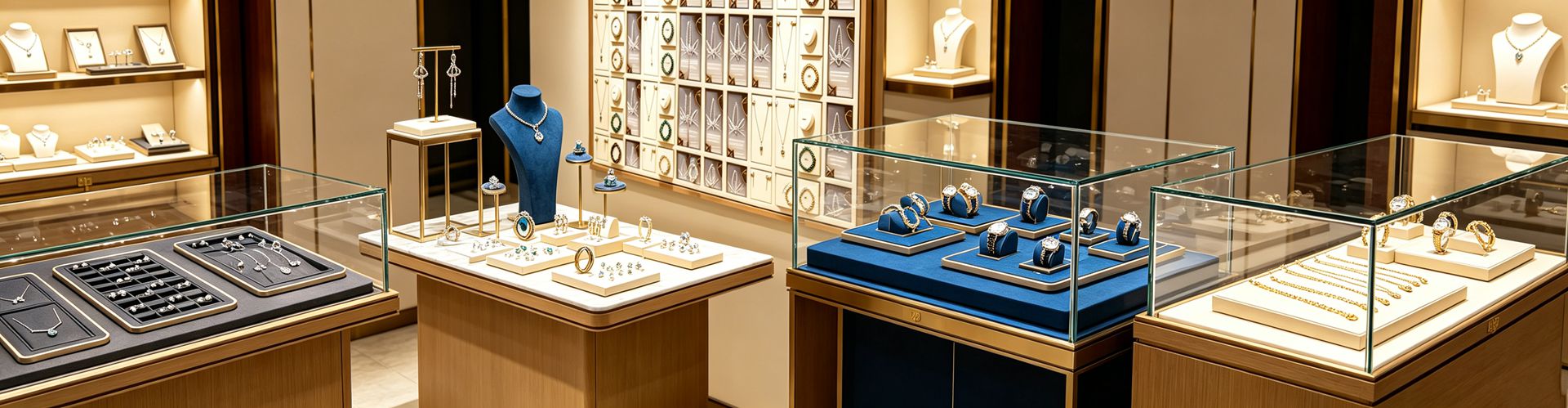
Here is the chain reaction most miss: when a piece is rented out dozens of times, the box that carries it stops being a one-time gift box. It is opened and closed repeatedly, shipped again and again, sanitized, and made to deliver a first impression into a stranger's hands each cycle. So the KPI of packaging is quietly rewritten — the test is no longer "how stunning at the first unboxing" but "how presentable, clean, and untired on the fiftieth opening." That is the new brief for the 饰品包装盒 and 珠宝盒定制: high-frequency rotation demands cleanable liners, fatigue-resistant structure, and hardware rated for thousands of cycles; a light-blocking, washable 首饰袋 printed with a single clean mark becomes the highest-leverage "moving storefront" in the rental chain, the one surface a piece is seen in most often between wearers. At root, rental overturns the industry's hidden premise that packaging is disposable, and pushes the budget logic back from surface ornament to structural tolerance — exactly what 深圳骏依美 has long practiced, investing in the fold, the hinge, and the liner's rebound that stay invisible yet decide the experience of repeated use.
The economics explain the caution. Customer acquisition is expensive, but so is the payoff when it works: subscribers who stay tend to carry higher average order values and stronger retention than one-time buyers, which is why platforms bundle styling data with inventory discipline and court investors comfortable with recurring revenue. The math rewards patience: a member kept past the first year is worth far more than a dozen one-time buyers, because the marginal cost of the next shipment is mostly logistics, not acquisition. Still, the model's fragility is real. High-value assets circulating repeatedly face four unavoidable hurdles — damage, loss, hygiene, and trust in authenticity — while reverse logistics and return rates, tightly tied to style mismatch and sizing, eat straight into margin. The industry's answer is increasingly technical: virtual try-on pulls returns down (mirrAR helped India's Tanishq cut returns by about 20%), and AI styling pushes "will you like it" ahead of shipping.
Jewelry rental will not replace buying — the wedding ring, the heirloom, will always be worth owning. But it has opened a seam: in this era, whether something sparkles and whether it belongs to you can finally be counted separately.
This is original content. Copyright belongs to Shenzhen Junyimei.
Junyimei — present every jewel and timepiece at its best.
打开一个丝绒盒子,里面躺着一枚你从没买过的钻石耳环。它上个月在另一座城市的一只耳朵上闪过,下个月还会去往第三个人。你付的只是一笔月费,不是它的身价。这不是科幻,而是 2026 年正悄悄改写珠宝行业的一条暗线——租赁,正在让"拥有"不再是佩戴一件好首饰的唯一方式。
把视野拉到全球,数字比直觉更诚实。研究机构 Stats N Data 的口径里,全球珠宝租赁市场在 2026 年约 24 亿美元,预计以 10.8% 的年均复合增速,到 2033 年逼近 49 亿美元;如果把"订阅式服务"——也就是把租赁、按月配送、先试后买、策展式购买全部算进来——这个更大的盘子 2026 年已有约 33 亿美元,2033 年预计达到 64 亿美元,年增速 12.8%。另一份行业报告给出的订阅服务区间略有出入(2025 年约 6.9 亿美元、2032 年约 18.7 亿美元、增速 15.3%),但方向出奇一致:向上,且越来越陡。
北美仍是最大的利润池,2026 年租赁收入约 7.2 亿美元、占全球四成以上;而真正让从业者兴奋的是亚太,尤其中国——2026 年约 2.6 亿美元的规模虽小,却被普遍视为增速最快的市场之一,一线、新一线城市的年轻人正把"轮换造型"和"直播文化"揉进消费习惯,本土平台已经开始试水与婚礼、节日、达人场景绑定的短周期租赁。
为什么是现在?三条线索拧在一起。其一是循环经济的叙事终于落地到贴身物件:买一条只为婚礼戴一次的钻石项链,和租它三天,哪个更"浪费"已经不再有标准答案。其二是代际切换——千禧一代和 Z 世代把"体验重于拥有"从口号变成了账户行为,他们愿意为"看起来毫不费力地高级"付费,却不愿为衣橱里落灰的贵金属买单。其三是社交媒体的放大镜:当一条耳环的寿命被压缩成九宫格里的一个周末,拥有它的意义,往往不如拍到它的瞬间。
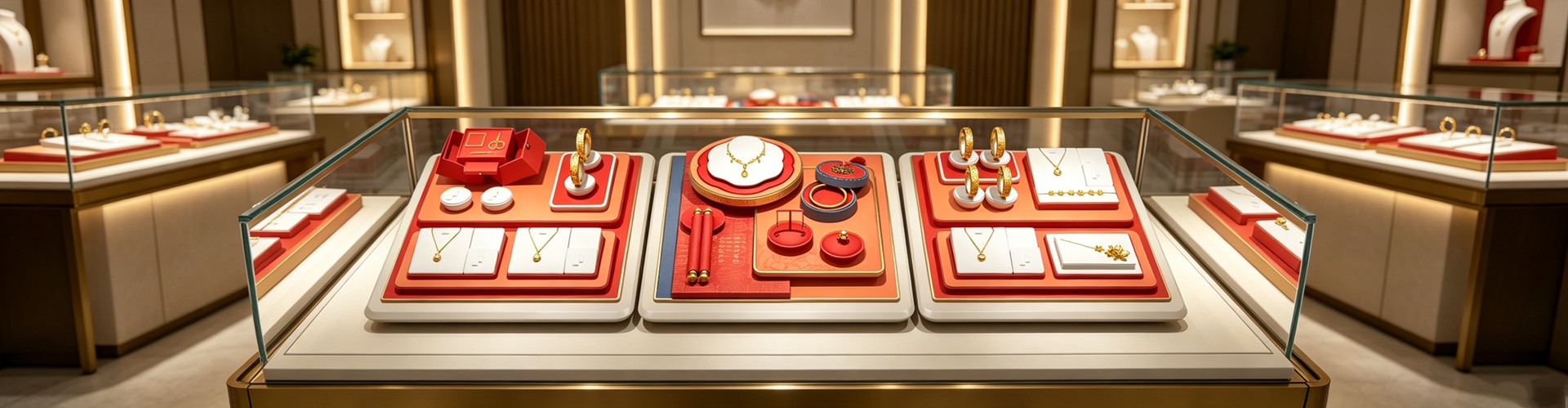
这门生意的玩家早已就位。美国的 Rocksbox 早在 2022 年就被珠宝巨头 Signet 收入麾下,Vivrelle、Rent the Runway 把月费订阅做成"首饰界的 Netflix";欧洲有 Hurr、By Rotation 这类轻量平台,主打红毯与派对场景的短租。模式大同小异:一笔月费,一个轮换清单,保险、清洁、维修打包进服务。从品类看,项链占了租赁需求的三分之一(33.1%),耳环 21.6%,戒指 19.1%,手镯与手链 16.1%;从场合看,婚礼是绝对主力(约 3.45 亿美元),派对与红毯次之(约 1.49 亿美元),日常与订阅佩戴虽小(约 3240 万美元)却增长最快。换句话说,租赁先把"人生高光时刻"这块最贵、最低频的需求接住了。
真正的拐点不在规模,而在价值坐标的位移。过去一个世纪,珠宝被默认为"资产"——它能传家、能保值、能在危急时变现。租赁把这条隐含逻辑拆开:当一件首饰可以被几十个人轮流戴上,它最值钱的不再是"属于谁",而是"此刻戴在谁身上好不好看"。拥有权从唯一的价值锚点,降级为众多选项中的一个。这对品牌是松动,对消费者却是解放。
这里有一个被多数人忽略的连锁反应:当一件珠宝被租出去几十次,装它的盒子就不再是一次性礼盒。它要被反复开合、反复走物流、反复消毒、反复在陌生人手里交出第一印象。于是包装的 KPI 被悄悄改写——评判标准不再是"开箱那一刻有多惊艳",而是"第五十次打开时是否依然体面、干净、不松不塌"。这正是 饰品包装盒 与 珠宝盒定制 要直面的新课题:频繁周转要求内衬可清洁、结构耐疲劳、五金经得起成千上万次开合;而一枚不透光、可水洗、能印一枚干净标识的 首饰袋,则成了租赁链条里性价比最高的"流动门面",也是两件首饰之间被看见最多的那张脸。说到底,租赁把"包装是一次性的"这个行业隐藏前提推翻了,也把预算逻辑从表面花纹重新挪回结构公差本身——这也是 深圳骏依美 一直在做的事:把功夫下在折边、铰链与内衬回弹这些看不见、却决定反复使用体验的地方。
当然,暗线也有暗面。高价值资产反复流转,损耗、丢失、卫生与真伪信任是绕不开的四道坎;逆向物流和退货率(与个人风格错配、尺寸不合高度相关)直接吃掉利润。行业的解法正在技术化:虚拟试戴把退货率往下拽(mirrAR 曾帮印度品牌 Tanishq 降低约 20% 的退货),AI 搭配则把"你会不会喜欢"尽量前置到发货前。
珠宝租赁不会取代购买——婚礼上的那枚、传家那一只,永远值得拥有。但它确实撕开了一道口子:在这个时代,闪不闪,和归不归你,已经可以分开算了。
本文为原创内容,版权归深圳骏依美所有,转载请注明出处。
骏依美——让每一件珠宝与腕表,都被更好地呈现。