Stack High Without Damage: Warehousing and Stock Rotation for Jewelry Packaging堆得高也要护得住:珠宝包装的仓储码放与库存周转功课
The returns a packaging factory fears most are not a misprinted word but a whole pallet of boxes crushed out of shape in the warehouse. A jewelry box looks solid, yet it is a combination of board, flocking and hardware: under stacking, humidity and long storage, the corners give way first and the lid begins to lift. By the time the goods reach the counter and the box no longer closes properly, it is too late to repair. Warehousing and stacking decide whether all the earlier craftsmanship actually arrives intact at the store.
A lightweight jewelry pouch suits small accessories, saving space while staying easy to carry and store.
The first rule is zoning. Fast movers, gift boxes and multi-accessory sets should be stored separately; do not mix cartons of different heights on one pallet just to save space. The bottom layer carries the greatest load and suits the most stable square boxes, while pieces with handles or domed lids belong near the top. Higher is not always better: once a stack of ordinary cartons passes a certain number of layers, the bottom approaches its load limit, and the invisible pressure may already be affecting how the box opens and closes.
The second rule is letting the boxes breathe. During the southern humid season, board and velvet absorb moisture; if the outer carton is wrapped too tightly, trapped dampness produces mildew and odour within days. A practical method is breathable lining plus a moisture barrier, with small vents in the outer carton and gaps between pallets so air can move. Rotate the stack periodically so goods sitting at the bottom also get a chance to air out.
Stock rotation should also follow the nature of the packaging. First in, first out applies not only to jewelry but to boxes: velvet held too long keeps a permanent fold, and plated hardware loses its lustre in damp air. Mark each batch with its arrival month, draw from the ones nearest the dispatch area first, and give anything past a set period an appearance check before it reaches the counter. That way the counter always receives packaging in its best condition.
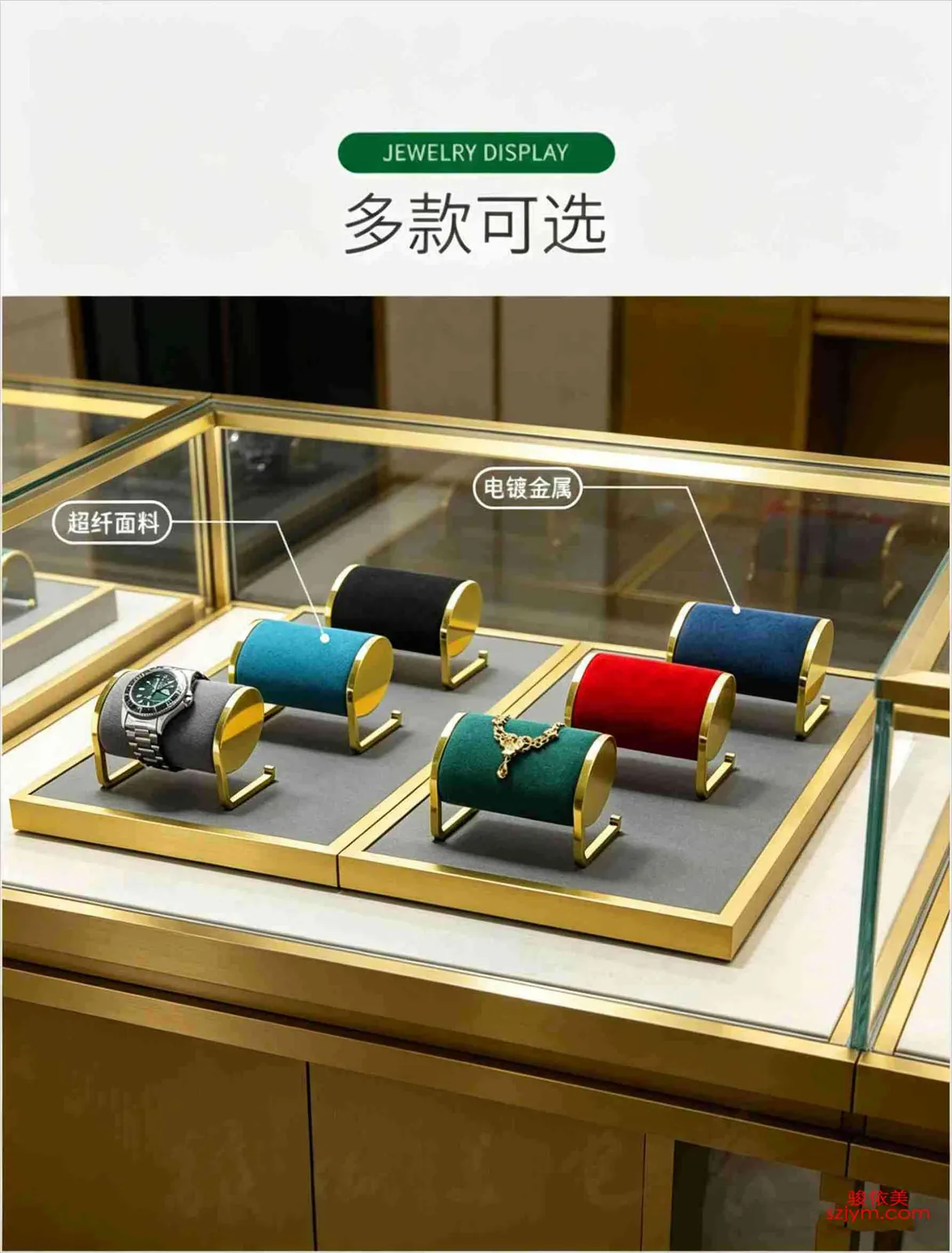
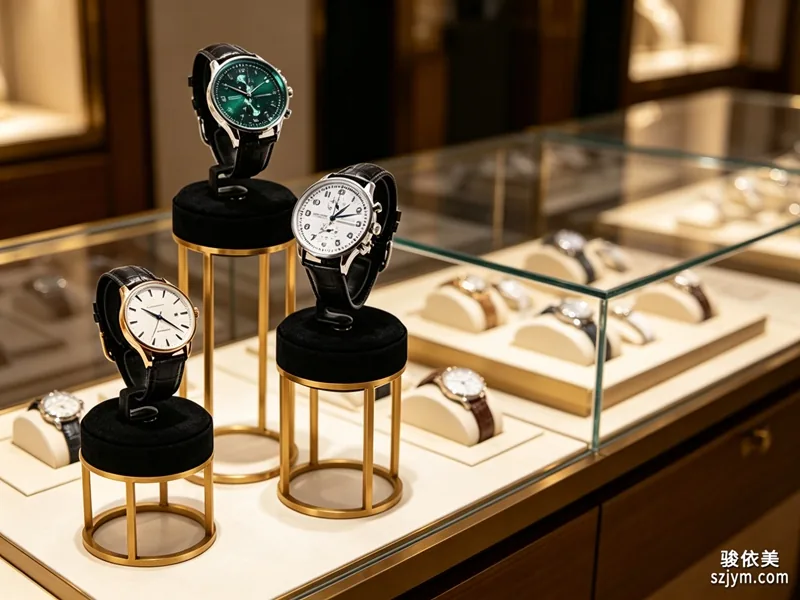
Great jewelry display design is, at its core, telling a brand's visual story within a compact space.
The third rule is a standard for the physical move. Set cartons down gently — throwing, dragging or stepping on them passes the shock into the inner layers. When a forklift is used, the forks must enter the pallet fully so the load is not carried on one side. For manual handling, two people should lift a long carton; picking it up by one corner twists the frame. However cramped the aisle, never lean a carton against a pillar: the hidden stress of a tilted stack is greater than it looks.
Sampling inspection should be routine. On arrival, open three cartons at random from every batch: check the outer shell for pressure marks, whether the box opens smoothly, whether the lining has shifted and whether the hardware is scratched. If one problem appears, lower the stacking limit for that batch by one layer. Record the batch number and date so later tracing does not rely on memory. Customers never see these steps, yet they decide how stable the delivery really is.
A thoughtful jewelry arrangement is no mere listing; it guides the gaze through spacing and rhythm.
Another easily overlooked cost is repeated handling. If a package is moved four times in the warehouse, that is four chances to knock it. Keep fast-moving styles near the packing area to shorten the route, and pre-assemble gift sets against store orders so they leave as one parcel instead of being unpacked and regrouped along the way.
A well-partitioned jewelry tray keeps rings, earrings and necklaces in place without tangling.
Warehousing looks like physical work but is really an extension of packaging design. However beautiful the structure, if it arrives crushed, damp or scratched, all that remains at the customer's hands is regret. Turn stacking height, ventilation, rotation and sampling into habits, and the packaging can travel from factory to counter in one piece, carrying the dignity it was designed with all the way to the end.
This article is original content by Junyimei. All rights reserved; please credit the source if reprinted.
骏依美珠宝包装定制,懂设计更懂省料,让每一分预算花在刀刃上,体面实用真省心。
包装厂最怕的退货不是印错字,而是整托盒子在仓库里压变形。珠宝盒由纸板、绒布与五金组成,遇到堆叠和潮湿,边角先塌、盖面起翘。仓储与码放,决定了前面的工艺能否完整抵达门店。
轻巧的珠宝袋适合随附小件饰品,既节省空间,又便于携带与日常收纳。
畅销款、礼盒款与套装要分区,别把不同高度的箱子混码一托。底层受力最大,适合结构最稳的方盒;带提手或拱盖的款式靠上层。堆得越高,底层越接近承重极限,压痕看不见却已影响开合。
南方梅雨季,纸板和绒布都会吸潮,外箱缠得太紧,内部湿气散不出去,几天就出现霉点与异味。可用透气内衬加防潮袋,外箱留少量气孔,托盘之间留出间隙。定期翻堆,让底层的货也透气。
先进先出不只适用于货品,也适用于盒子:绒布放久了会压出固定折痕,电镀五金在潮湿环境里失去光泽。每批包装标上到货月份,靠近出货口的先领用,超期批次先做外观复核再上柜。
优秀的珠宝陈列设计,本质上是在方寸之间讲好一个属于品牌的视觉故事。
整箱落地要轻,抛、拖、踩都会把冲击传到内层;叉车货叉要完全插入托盘,避免单边受力。人工搬长箱尽量两人抬,单人拎角容易扭斜。通道再挤也别把箱子斜靠柱边,倾斜堆放的隐形压力比想象中大。
每批入库随机开三箱:看外层有无压痕、开合是否顺畅、内衬是否移位、五金有无划伤。发现一处问题,就把这一批的堆高上限降一层。检查记录写清批号日期,追溯不用靠记忆。这些步骤客户看不见,却决定交付稳定性。
讲究的首饰摆盘并非简单罗列,而是通过疏密与节奏引导顾客的视线停留。
反复搬动也是成本。包装在仓库里被挪四次,就有四次磕碰机会。出货频繁的款式放在靠近打包区的位置;礼盒套装按门店订单预配,出库整包走,不中途拆箱重组。
一块分区合理的珠宝托盘,可以让戒指、耳环与项链各归其位、互不缠绕。
仓储看上去是体力活,其实是包装设计的延伸。结构再漂亮,若在仓库里被压坏、受潮、刮花,到了顾客手中只剩遗憾。把码放高度、透气、周转和抽检做成习惯,包装才能完好地从工厂走到柜台。
本文为骏依美原创内容,版权归骏依美所有,如需转载请注明出处。
骏依美珠宝包装定制,懂设计更懂省料,让每一分预算花在刀刃上,体面实用真省心。