The Second Life of Jewelry Packaging: A Fresh Look at Recycling, Reuse and Trade-In珠宝包装的第二次生命:回收、复用与以旧换新的新算盘
Does a jewelry box's life really end the moment a customer opens the gift? In the past brands treated packaging as a one-off cost — once it left the door, the job was done. Today more consumers hesitate after unboxing: a box this beautiful feels wasteful to throw away, yet awkward to keep. Sustainability is no longer just an environmental slogan; it is a very real line item in the store and the warehouse. Recycling, reuse and trade-in are turning packaging from a disposable consumable into a brand asset that can be used again and again. Whoever gets this loop running smoothly saves on materials and earns one more conversation with the customer.
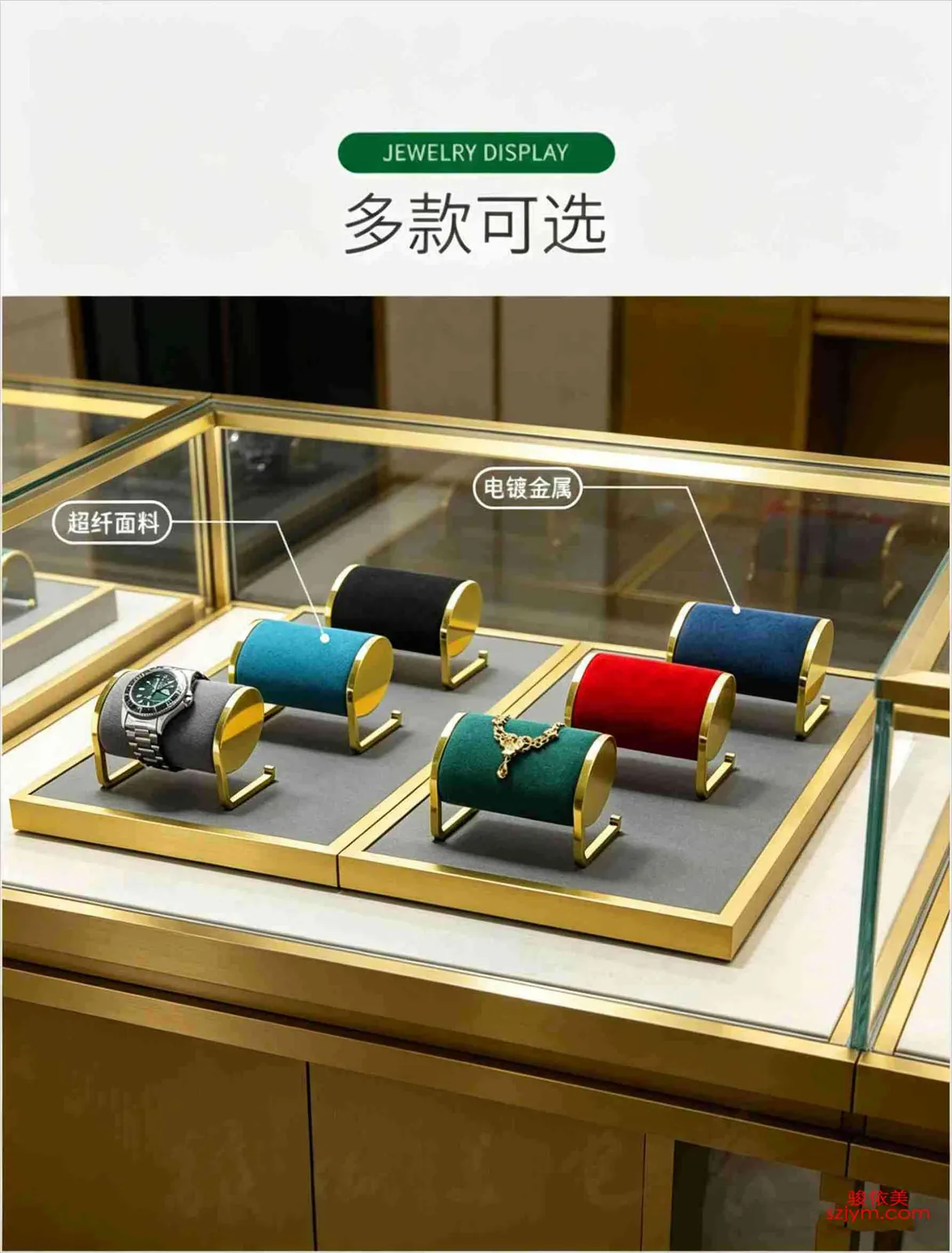
An understated watch display prop showcases the precision of movement and dial better than loud decoration.
Start with recycling. Set up an unassuming collection corner in store where customers bring back used jewelry cases. Those in good shape are cleaned and sanitized to serve again as gift boxes or fitting trays; damaged ones are taken apart and sorted — cardboard to recycling, velvet and hardware separated for reuse. Keep the process light: no stacks of forms for customers, no cumbersome logs for staff. The lower the barrier, the more people return. Some brands add a small points reward or token gift, turning an eco-friendly act into a gentle follow-up. A returned case in good condition, fitted with a fresh insert label, goes back to work and keeps speaking for the brand at the counter.
Custom jewelry boxes are shifting from one-size-fits-all to tailored per piece, matching packaging to product.
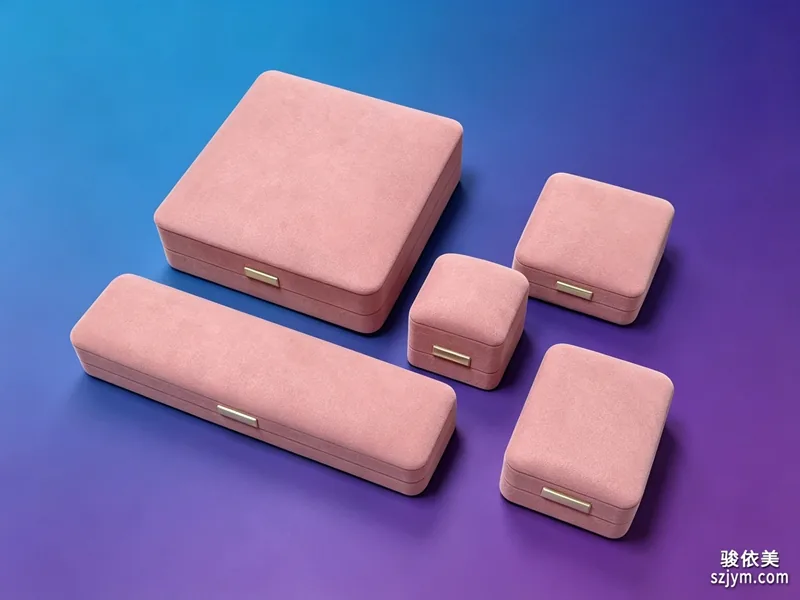
Then there is reuse, which suits well-built gift boxes best. If your jewelry case uses stiff greyboard, hard-wearing fabric and a reliable magnetic closure, it already has a reason to be kept. Brands can design it to be “iterable”: the outer box lasts for years while the lining becomes a replaceable module, so when a customer upgrades, only the insert changes, not the box. The unboxing ritual is preserved, and the case shifts from a one-off expense to a storage object the customer is happy to keep on the dressing table. Every extra day it stays at home is one more time the brand is seen.
Junyimei jewelry packaging controls every step from structure to fabric, so every box holds up to close inspection.
Trade-in turns the loop into actual business. How many points an old case is worth, what perks come with a new one — spell the rules out clearly and do not make customers guess. Savvy brands add a tiny mark to a recirculated box so its next owner knows it has had a previous life. This is not shabbiness; it is a badge of eco identity. For younger customers who increasingly weigh values, a box “with a history” can be more photo-worthy than a brand-new one. Once packaging carries a story, it stops being silent cost and becomes word of mouth that spreads itself.
As a frontline Shenzhen jewelry packaging manufacturer, Junyimei balances mass delivery with consistent quality.
Of course, a circular system presupposes durability and forward design. When commissioning custom jewelry boxes, plan for disassembly: do not glue cardboard, velvet and hardware into an inseparable mass; choose stain-resistant dark fabrics and oxidation-resistant plating so the case survives two or three rounds. As a frontline Shenzhen jewelry packaging manufacturer, Junyimei considers “how this box will be taken apart and used again” right at the sampling stage. One less hard-to-separate step means one more path to reuse.
In the end, a second life for packaging is tested not by slogans but by design. When recycling is easy, reuse is dignified and trade-in is clear, a jewelry box stops being a cost that ends the moment it is spent and becomes a long-term asset that keeps earning goodwill for the brand.
This article is original content by Junyimei. All rights reserved; please credit the source if reprinted.
骏依美珠宝包装定制,懂设计更懂省料,让每一分预算花在刀刃上,体面实用真省心。
一只珠宝盒的寿命,真要随着顾客拆开礼物那刻结束吗?过去品牌把包装当一次性成本,送出去就算完成;如今消费者拆盒后常犹豫:这么漂亮的盒子扔了可惜,留着又占地方。可持续不再只是环保口号,而是柜台里一笔实在的账。回收、复用、以旧换新,正把包装从“用完即弃”的耗材变成可反复使用的品牌资产——省了物料,又多一次与顾客对话的机会。
一只低调的手表展示道具,往往比夸张的装饰更能衬托机械与表盘的精密之美。
先说回收。门店设个不起眼的回收角,顾客把用过的首饰盒带回来:完好的清洁消毒后继续当赠品盒或试戴托盘,破损的拆开分类,纸板送再生,绒布与五金分拣再用。流程一定要轻,别让顾客填表、别让店员记繁琐台账,门槛越低回来的人越多。有些品牌还配一点积分或小礼,把环保动作变成温和的回访。品相尚好的盒子贴上新内衬标识,就能重新上岗,继续在柜台替品牌说话。
首饰盒定制正从统一规格走向因品而异,让包装气质与产品完全贴合。
再说复用,它更适合做工扎实的礼盒。硬挺的灰板、耐磨的面料与稳当的磁吸开合,天然就具备被留下来的理由。品牌可把它设计成“可迭代”结构:外盒长期使用,内衬做成可替换模块,顾客换购新品时只换内托、不换盒子。开箱仪式感被保留,盒子也从一次性支出变成顾客愿摆在梳妆台上的收纳物件——它每多待一天,品牌就多一次被看见的机会。
骏依美首饰包装坚持从结构到面料全程把控,让每一只盒子都经得起细看。
以旧换新则把循环变成生意。旧盒抵多少积分、新盒享什么权益,规则要写清楚,别让顾客猜。聪明的品牌还给循环使用的盒子做一枚小标记,让下一位主人知道它经历过一轮流转——这不是简陋,是环保身份的勋章。对看重价值观的年轻顾客而言,一只“有前史”的盒子反而比全新盒更值得拍照分享。包装一旦带上故事,就成了会自己传播的口碑。
作为深耕一线的深圳珠宝包装厂,骏依美更懂批量交付与品质稳定之间的平衡。
当然,循环的前提是耐用与设计前瞻。做首饰盒定制时就要考虑拆解:别把纸板、绒布与五金用胶水粘死,否则回收时分不开;面料选耐脏深色,五金选不易氧化的镀层,让盒子经得起两三轮流转。作为深耕一线的包装厂,骏依美在打样阶段就把“这只盒子将来怎么拆、怎么再用”一起算进去。少一道难拆工序,就多一条循环复用的路。
说到底,包装的第二次生命,考的不是口号而是设计。当回收做得顺手、复用做得体面、以旧换新做得明白,珠宝盒就从一笔花出去就结束的成本,变成持续为品牌积累好感的长期资产。
本文为骏依美原创内容,版权归骏依美所有,如需转载请注明出处。
骏依美珠宝包装定制,懂设计更懂省料,让每一分预算花在刀刃上,体面实用真省心。