Open Displays That Stay Safe: Balancing Security with Counter Presentation柜台的安全陈列:敞开展示与防盗的平衡
A jewelry counter is at its most attractive when the merchandise is right in front of the customer, within easy reach; it is also at its most challenging for exactly the same reason. Open display lifts try-on rates and conversion, but if the props are poorly chosen or badly placed, high-value pieces are effectively parked in a danger zone every day. Secure display is not about locking things up - it is about reducing risk through detail: well-weighted props, visible movement, and disciplined handling. The counter stays open and bright, and the merchandise stays safe.
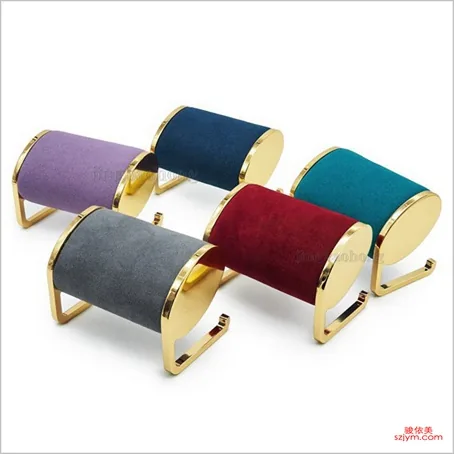
Start with the center of gravity and anchoring of display props. The pieces most likely to tip over are upright ones - ring towers, necklace stands and earring frames. They are small and top-heavy, and a light brush from a customer's elbow can send them crashing onto the countertop. Choose props by looking at the base first: the base should be wide and heavy, and metal bases with counterweights are the steadiest; velvet-bottomed bases add friction on glass. Tall necklace stands work best with non-slip feet or suction cups that grip the glass - a nudge moves them sideways as a whole instead of tipping them. Position matters too: keep upright props toward the back of the counter, away from the natural swing of customers' arms, and give accidents room to be harmless.
Next, secure and stabilize high-value items. For watches, diamond pendants and gold-inlaid jade, display them with a security chain: a fine steel cable runs through the clasp or bail and locks into the display base or a fixture on the counter. Customers can still pick the piece up and try it on, but it cannot be carried away. The stand itself must resist sliding - add silicone pads under wooden or acrylic stands so they do not shift on a tray; add corner pads under trays especially on marble or glass surfaces. One small habit is highly effective: keep high-value display positions in the same line of sight as the cashier or the main sales position, so the whole piece can be scanned without turning the head, and any piece leaving its spot is noticed at once.
How a tray is placed is also part of the security design. A tray is not simply set down anywhere; its position decides how deep a customer can reach and how clearly the salesperson can see. Trays with the opening facing the salesperson let customers reach less and give the salesperson a better view. The most dangerous trays sit at the very edge of the counter, where a customer can lean in and lift the whole tray away. Keep trays at least a fist's width from the counter edge, and leave gaps between trays in dense displays so customers do not knock the front row over while reaching for the back. Limit the number of open trays - two or three at a time - and keep back-stock or standby pieces on a tray stand or in a drawer below. The simpler the surface, the more controllable the risk.
Layer the placement of premium pieces. In the same counter, put hero items - gold, large diamonds, whole strands of pearls - on the inner layer near the sales position, and put ordinary silver or fashion pieces on the outer open layer. Inner pieces can be shown in display boxes or locked trays; outer pieces stay single-piece visible, easy to take, but never out of sight. Keep high-value pieces to three to five per counter - fewer pieces mean faster counting and less chance of loss. Do not open display boxes fully; keep them half-open or use a limiter so customers see the contents clearly while the salesperson can close the lid quickly.
Closing time and periodic counting close out the ritual. During business hours, do a quiet quick count every couple of hours, focusing on high-value pieces. Before closing, follow a checklist: high-value items go into the safe first, ordinary pieces into locked drawers, display props returned to positions, trays removed, and lights switched off zone by zone. Check the locks of glass cabinets regularly and replace any with a hesitant latch. Turning security into a routine - not into a hope that someone behind the counter happens to watch - is what balance really means.
Open display is not about trusting luck with risk; it is about breaking risk into controllable details: a heavier base, a well-placed silicone pad, a chain that hangs smoothly, trays set farther inward, and counting that has become a habit. When the details are done, the counter can stay open with confidence, customers try on with ease, salespeople close deals with peace of mind, and the merchandise stays safe. That is the most valuable balance in jewelry display.珠宝柜台最迷人的地方,是货品近在眼前、触手可及;最棘手的地方,也是货品近在眼前、触手可及。敞开陈列让试戴率和成交率明显上升,可一旦展示件选得不对、位置摆得不稳,高价值货品等于天天放在“伸手可及”的冒险区。安全陈列不是把东西锁起来,而是靠细节把风险降下来:重心压得住、移动看得到、取放有规矩,柜台照样敞亮,货品照样安稳。 先看展示件的重心与固定。柜台里最容易“翻车”的是竖立的展示件,比如戒指塔、项链托、耳钉架。它们体积小、重心高,客人手肘轻轻一带就可能倒栽在柜面上。选展示件时优先看底座:底座要够宽、够重,金属底座加配重块的设计最稳,绒布包底的底座在玻璃台面上还能增加摩擦;一些高挑的项链架要配合防滑座或吸盘底座使用,吸盘能牢牢吸住玻璃柜面,外力碰一下只会整体平移,不会翻倒。立式展示件摆放的位置也有讲究,尽量靠近柜体后侧、避开客人手臂自然挥动的区域,给“意外”留出缓冲。
再说高值货品的固定与防滑。手表、钻石吊坠、金镶玉这类单件价值高的货品,展示时最好配链锁:细钢链一头穿过表扣或吊坠环,一头固定在展示座或柜体上的锁扣处,客人可以拿起来看、试戴,但带不走整件。展示座本身也要防滑,木质或亚克力座底部贴硅胶垫,放在托盘或柜面上轻轻一推不位移;托盘四角加防滑脚垫,台面是大理石或玻璃时尤其管用。还有一个小习惯很有效:高值件的展示位和柜台的收银位、销售主站位保持在同一视线内,销售不用转头就能扫到,货品被拿离展示位时能第一时间发现。
托盘怎么摆,同样是安全设计的一部分。托盘不是随手一放就完事,位置决定了客人能碰到多深、销售能看多清。开口朝向销售一侧的托盘,客人伸手取货的幅度小,销售监控的视角好;摆得太靠柜台边缘的托盘,客人弯腰探头就能整盘端走,最危险。托盘与柜台边缘至少要留出一拳的距离,密集陈列时托盘之间也要留出取放间隙,避免客人为了够到深处的货品而把前排托盘带翻。柜台上同时展开的托盘数量要控制,两三盘为宜,其余就位、待补的货品放在托盘架或柜下抽屉里,台面越简洁,安全越可控。
 贵重货品的陈列位置要分层。同一柜台里,把黄金、大克拉钻、整串珍珠这类“镇店款”放在内侧、靠近销售位的一层,普通银饰、时尚款放在外侧开放层;内侧货品即使展示,也放展示盒或带锁的托盘中,外侧货品摆放时同样保持“单件可见、随手可取但不离视线”。高值件单柜控制在三五件以内,件数越少,清点越快,遗失越难。展示盒的盒盖不要全部打开,留一半或做限位,顾客看得清内里,销售合盖也快。
闭店收柜和定时清点是安全陈列的收尾环节。营业中每隔一段时间(比如两小时)做一次不动声色的快速清点,重点核对高值件数量;闭店前按清单收柜:高值件先入保险柜,普通货品入抽屉上锁,展示件归位、托盘撤下,灯光逐区关闭。玻璃柜门的锁具要定期检查,锁舌回位不良的及时更换。把安全变成流程,而不是靠柜台后面的人“多看两眼”,才真正称得上平衡。
试戴环节的安全配合也很重要。客人试戴高值戒指或吊坠时,销售的习惯动作是货不离视线、台面不放第二件:从展示座取下货品,递到客人手里,试戴后接回,直接放回原位,中间不经过台面。展示盒的开合也讲究节奏,盒盖不要全开,半开限位既方便取放,又缩短敞口时间;这些小动作单看琐碎,合起来就是一套完整的防盗缓冲,即使偶有疏漏,前面几道细节也能兜住。
敞开展示不是把风险交给运气,而是把风险拆解成一个个可以控制的细节:底座重一点、防滑垫贴到位、链锁挂得顺手、托盘摆得靠里、清点形成习惯。细节做到了,柜台可以放心敞开,顾客放心试戴,销售放心成交,货品也始终安稳。这,才是珠宝陈列里最值钱的平衡。
Start with the center of gravity and anchoring of display props. The pieces most likely to tip over are upright ones - ring towers, necklace stands and earring frames. They are small and top-heavy, and a light brush from a customer's elbow can send them crashing onto the countertop. Choose props by looking at the base first: the base should be wide and heavy, and metal bases with counterweights are the steadiest; velvet-bottomed bases add friction on glass. Tall necklace stands work best with non-slip feet or suction cups that grip the glass - a nudge moves them sideways as a whole instead of tipping them. Position matters too: keep upright props toward the back of the counter, away from the natural swing of customers' arms, and give accidents room to be harmless.
Next, secure and stabilize high-value items. For watches, diamond pendants and gold-inlaid jade, display them with a security chain: a fine steel cable runs through the clasp or bail and locks into the display base or a fixture on the counter. Customers can still pick the piece up and try it on, but it cannot be carried away. The stand itself must resist sliding - add silicone pads under wooden or acrylic stands so they do not shift on a tray; add corner pads under trays especially on marble or glass surfaces. One small habit is highly effective: keep high-value display positions in the same line of sight as the cashier or the main sales position, so the whole piece can be scanned without turning the head, and any piece leaving its spot is noticed at once.
How a tray is placed is also part of the security design. A tray is not simply set down anywhere; its position decides how deep a customer can reach and how clearly the salesperson can see. Trays with the opening facing the salesperson let customers reach less and give the salesperson a better view. The most dangerous trays sit at the very edge of the counter, where a customer can lean in and lift the whole tray away. Keep trays at least a fist's width from the counter edge, and leave gaps between trays in dense displays so customers do not knock the front row over while reaching for the back. Limit the number of open trays - two or three at a time - and keep back-stock or standby pieces on a tray stand or in a drawer below. The simpler the surface, the more controllable the risk.
Layer the placement of premium pieces. In the same counter, put hero items - gold, large diamonds, whole strands of pearls - on the inner layer near the sales position, and put ordinary silver or fashion pieces on the outer open layer. Inner pieces can be shown in display boxes or locked trays; outer pieces stay single-piece visible, easy to take, but never out of sight. Keep high-value pieces to three to five per counter - fewer pieces mean faster counting and less chance of loss. Do not open display boxes fully; keep them half-open or use a limiter so customers see the contents clearly while the salesperson can close the lid quickly.
Closing time and periodic counting close out the ritual. During business hours, do a quiet quick count every couple of hours, focusing on high-value pieces. Before closing, follow a checklist: high-value items go into the safe first, ordinary pieces into locked drawers, display props returned to positions, trays removed, and lights switched off zone by zone. Check the locks of glass cabinets regularly and replace any with a hesitant latch. Turning security into a routine - not into a hope that someone behind the counter happens to watch - is what balance really means.
Open display is not about trusting luck with risk; it is about breaking risk into controllable details: a heavier base, a well-placed silicone pad, a chain that hangs smoothly, trays set farther inward, and counting that has become a habit. When the details are done, the counter can stay open with confidence, customers try on with ease, salespeople close deals with peace of mind, and the merchandise stays safe. That is the most valuable balance in jewelry display.珠宝柜台最迷人的地方,是货品近在眼前、触手可及;最棘手的地方,也是货品近在眼前、触手可及。敞开陈列让试戴率和成交率明显上升,可一旦展示件选得不对、位置摆得不稳,高价值货品等于天天放在“伸手可及”的冒险区。安全陈列不是把东西锁起来,而是靠细节把风险降下来:重心压得住、移动看得到、取放有规矩,柜台照样敞亮,货品照样安稳。
先看展示件的重心与固定。柜台里最容易“翻车”的是竖立的展示件,比如戒指塔、项链托、耳钉架。它们体积小、重心高,客人手肘轻轻一带就可能倒栽在柜面上。选展示件时优先看底座:底座要够宽、够重,金属底座加配重块的设计最稳,绒布包底的底座在玻璃台面上还能增加摩擦;一些高挑的项链架要配合防滑座或吸盘底座使用,吸盘能牢牢吸住玻璃柜面,外力碰一下只会整体平移,不会翻倒。立式展示件摆放的位置也有讲究,尽量靠近柜体后侧、避开客人手臂自然挥动的区域,给“意外”留出缓冲。
再说高值货品的固定与防滑。手表、钻石吊坠、金镶玉这类单件价值高的货品,展示时最好配链锁:细钢链一头穿过表扣或吊坠环,一头固定在展示座或柜体上的锁扣处,客人可以拿起来看、试戴,但带不走整件。展示座本身也要防滑,木质或亚克力座底部贴硅胶垫,放在托盘或柜面上轻轻一推不位移;托盘四角加防滑脚垫,台面是大理石或玻璃时尤其管用。还有一个小习惯很有效:高值件的展示位和柜台的收银位、销售主站位保持在同一视线内,销售不用转头就能扫到,货品被拿离展示位时能第一时间发现。
托盘怎么摆,同样是安全设计的一部分。托盘不是随手一放就完事,位置决定了客人能碰到多深、销售能看多清。开口朝向销售一侧的托盘,客人伸手取货的幅度小,销售监控的视角好;摆得太靠柜台边缘的托盘,客人弯腰探头就能整盘端走,最危险。托盘与柜台边缘至少要留出一拳的距离,密集陈列时托盘之间也要留出取放间隙,避免客人为了够到深处的货品而把前排托盘带翻。柜台上同时展开的托盘数量要控制,两三盘为宜,其余就位、待补的货品放在托盘架或柜下抽屉里,台面越简洁,安全越可控。
贵重货品的陈列位置要分层。同一柜台里,把黄金、大克拉钻、整串珍珠这类“镇店款”放在内侧、靠近销售位的一层,普通银饰、时尚款放在外侧开放层;内侧货品即使展示,也放展示盒或带锁的托盘中,外侧货品摆放时同样保持“单件可见、随手可取但不离视线”。高值件单柜控制在三五件以内,件数越少,清点越快,遗失越难。展示盒的盒盖不要全部打开,留一半或做限位,顾客看得清内里,销售合盖也快。
闭店收柜和定时清点是安全陈列的收尾环节。营业中每隔一段时间(比如两小时)做一次不动声色的快速清点,重点核对高值件数量;闭店前按清单收柜:高值件先入保险柜,普通货品入抽屉上锁,展示件归位、托盘撤下,灯光逐区关闭。玻璃柜门的锁具要定期检查,锁舌回位不良的及时更换。把安全变成流程,而不是靠柜台后面的人“多看两眼”,才真正称得上平衡。
试戴环节的安全配合也很重要。客人试戴高值戒指或吊坠时,销售的习惯动作是货不离视线、台面不放第二件:从展示座取下货品,递到客人手里,试戴后接回,直接放回原位,中间不经过台面。展示盒的开合也讲究节奏,盒盖不要全开,半开限位既方便取放,又缩短敞口时间;这些小动作单看琐碎,合起来就是一套完整的防盗缓冲,即使偶有疏漏,前面几道细节也能兜住。
敞开展示不是把风险交给运气,而是把风险拆解成一个个可以控制的细节:底座重一点、防滑垫贴到位、链锁挂得顺手、托盘摆得靠里、清点形成习惯。细节做到了,柜台可以放心敞开,顾客放心试戴,销售放心成交,货品也始终安稳。这,才是珠宝陈列里最值钱的平衡。