Jewelry Counter Prop Design: Anti-Oxidation Display and Turnover for Silver珠宝柜台道具设计方案:银饰区的防氧化陈列与周转管理
Silver jewelry is the busiest category in a jewelry store - sold fast, turned over fast, but also oxidized fast. A bracelet displayed for a week gains a grayish-yellow film, and customers put it down when they see the color difference. The first question for silver zone props is not how to make it beautiful but how to keep silver bright in the counter. Anti-oxidation display and turnover management are two sides of one prop plan.
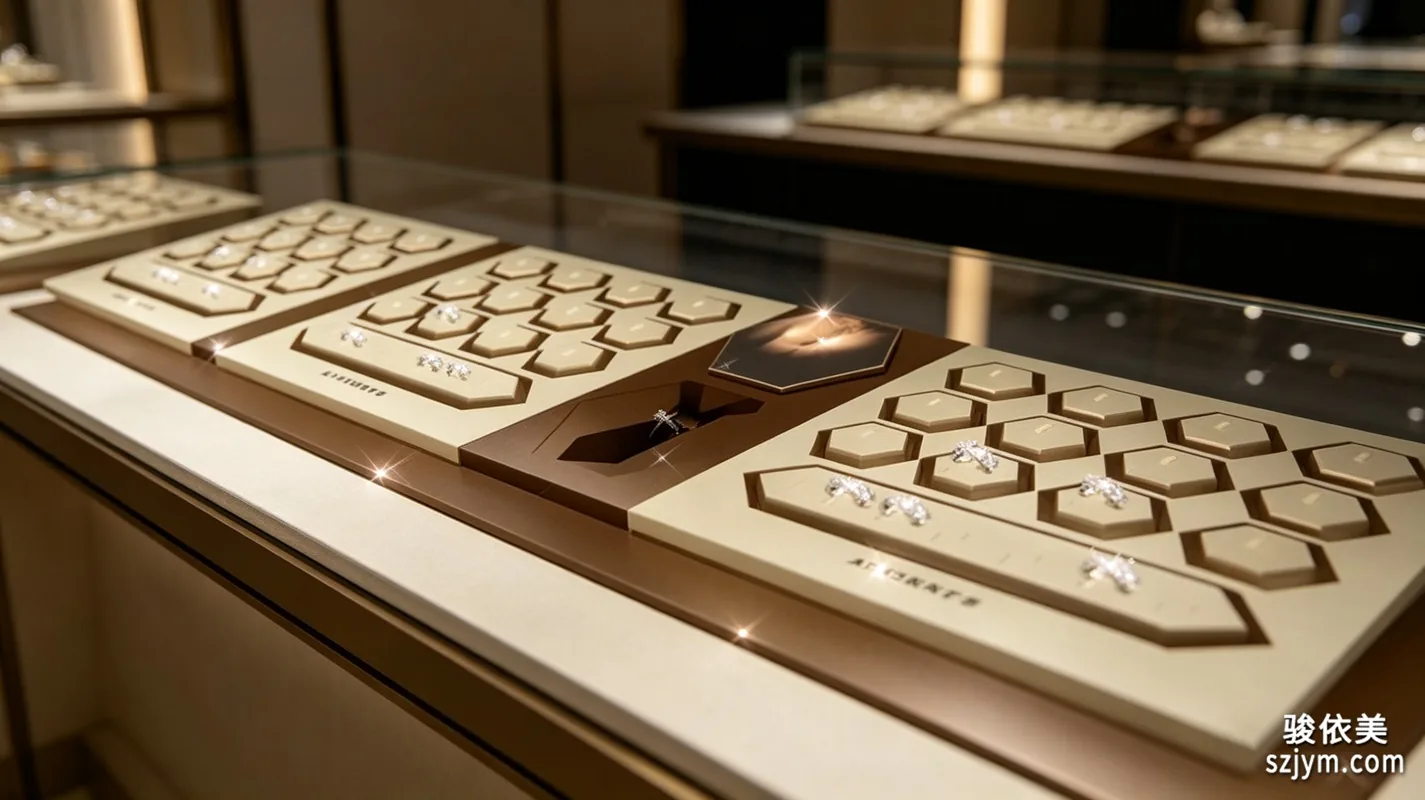
The first defense is storage props. Silver discolors on contact with sulfides in air, so stock beyond display must be sealed. The design uses transparent acrylic boxes with sealing strips, each containing a desiccant pack and an anti-oxidation sheet, divided by category. Standardize three sizes - earring box, chain box and bracelet box - so they stack in drawers. Check sealing strips monthly and replace aged strips or discolored sheets.
Anti-oxidation in the display zone relies on prop materials. Ordinary velvet is not recommended for silver stands because fibers trap moisture and sulfides. Better choices are antistatic short-pile velvet or silicone pads, which do not absorb sulfides and are easy to wipe. Metal fittings should use chrome or titanium plating; avoid copper bases touching silver directly, as electrochemical oxidation in humid conditions is faster than simple air tarnishing.
Rotation is a management action unique to the silver zone. Since silver oxidizes after long display, the best practice is to display what sells and rotate frequently: fixed display positions but weekly rotation of goods. Every Monday after closing, return all counter silver into sealed boxes and put another batch on display, alternating two batches. Each batch stays exposed no more than seven days, so oxidation stays invisible. During rotation, wipe with a silver cloth and re-display.
Lighting and temperature-humidity should be included. Choose warm light below 4000K with moderate illuminance; prolonged high illumination accelerates sulfidation. Keep the silver zone away from the door and air vents where airflow carries more sulfides. Place mini desiccant packs in the counter to keep relative humidity below sixty percent.
Layout must support fast turnover. Silver is low-priced with quick decisions, and customers like to browse by themselves. Allow openness without risk: tray edges with half-centimeter guards, zone-marked surfaces with temporary rest pads, and storage drawers within arm`s reach so restocking happens in sight.
Finally, fix inventory and quality checks. Silver turns over fast and looks similar, so mismatches happen easily. Paste category and quantity labels inside box lids, check every Friday night by label, and do a monthly visual quality check, sending oxidized or worn pieces for polishing before returning them to stock. Made into daily routine, the silver zone keeps a bright and clean counter image.
Silver zone prop design is essentially translating the chemical problem of oxidation into the management action of rotation. Sealed storage solves storage, silicone pads slow display oxidation, weekly rotation controls exposure time, humidity management slows reaction speed - four things linked together keep the silver counter facing customers at its best, with fewer returns and less discount loss.银饰是珠宝店里最"勤快"的品类——卖得快、周转快,但也氧化得快。柜台里摆了一周没卖出去的手链,表面就会泛起一层黄灰色的膜,顾客拿起来看到色差,多半就放下了。银饰区的道具设计,首先要回答的问题不是"怎么摆好看",而是"怎么让银饰在柜台里保持光亮"。防氧化陈列与周转管理,是银饰区道具方案的一体两面。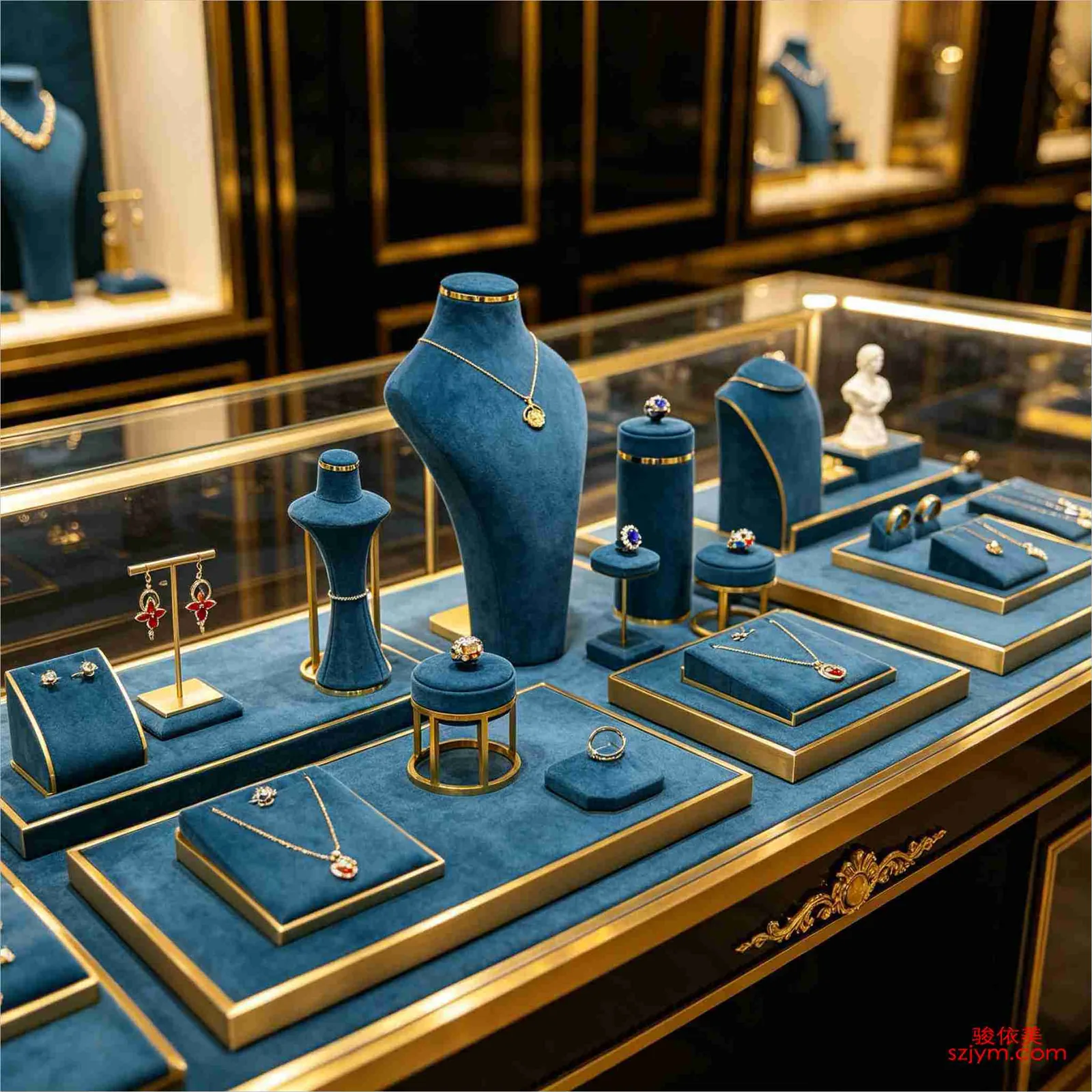 防氧化的第一道防线是收纳道具。银饰接触空气中的硫化物就会变色,所以展示之外的库存必须密封。设计方案里,银饰库存统一采用带密封条的透明亚克力盒,盒内放一枚干燥剂包与一枚防氧化片,按品类分格存放。盒子尺寸做成标准化的三档——耳饰盒、链饰盒、手镯盒,方便叠放进抽屉。要特别注意密封条的检查周期,建议每月抽查一次,密封条老化或防氧化片变色的及时更换,否则所谓密封只是心理安慰。
陈列区的防氧化要借助道具材质来实现。银饰展示托不建议使用普通植绒,植绒纤维之间容易滞留潮气与硫化物,加快氧化速度。更稳妥的做法是选用经过防静电处理的短绒或直接使用硅胶衬垫,硅胶表面不吸附硫化物,擦拭也方便。托架金属件应全部使用镀铬或钛色工艺,避免铜质底材直接接触银饰,铜与银在潮湿环境下接触会发生电化学氧化,那比单纯接触空气变色更快。
轮换陈列是银饰区特有的管理动作。既然银饰放久了会氧化,那么最合理的做法就是"卖什么摆什么、勤进勤出":柜面陈列位固定,但陈列的货品按周轮换,每周一闭店后把柜面银饰全部收回密封盒,换上库存里另一批,形成两批货交替上柜。这样每批银饰在柜面的暴露时间不超过七天,氧化程度始终控制在肉眼不易察觉的范围内。轮换时同步做一遍擦拭保养,用专用银布擦去指纹与轻微氧化膜,再重新上柜。
照明与温湿度也要纳入道具管理的范围。银饰区的射灯建议选择色温四千K以下、照度适中的暖光,长时间高照度直射会加速银饰表面硫化过程。店铺环境方面,银饰区应尽量避开门口与换气口的位置,这些区域空气流通快、硫化物浓度相对高;有条件的话,在柜台内放置迷你除湿包,把柜内相对湿度控制在百分之六十以下,氧化速度会明显放缓。
 员工培训层面,银饰区的道具使用规范要写进日常流程。比如补货时必须佩戴棉纱手套,手上的汗渍与油脂会加速银饰氧化;取放银饰时轻拿轻放,避免与柜台金属边角磕碰产生划痕;擦拭保养统一使用专用银布,普通软布可能含有研磨成分,会磨掉银饰的表面镀层。这些规范看似琐碎,却是道具方案能否长期见效的保障——道具设计得再好,使用不当同样无法延长银饰的光亮周期。把规范要点印在密封储备盒内侧,新员工上手时一眼就能看到。
柜台道具的布局要配合快速周转。银饰单价低、购买决策快,顾客通常喜欢自己翻看,因此陈列道具要"开放但不失手":托盘边缘设计半厘米高的挡边,防止饰品滑落;盘面按款式分区但留出临时摆放位,顾客试戴时可以把手上的戒指暂放在软垫格上,减少"免去试戴"的犹豫。营业员补货的动线也要短,密封储备盒应存放在柜台伸手可及的抽屉里,补货时不用离开顾客视线,一开一合之间完成替换。
最后是盘点与质检的固化。银饰周转快、形态相近,最容易出现账实不符。建议在密封盒盖内侧贴品类与数量标签,每周五晚盘点一次,按标签核对数量;每月做一次全体银饰的外观质检,拣出氧化明显或镀层磨损的件,统一送去抛光翻新后再回流库存。把"氧化管理"写进日常作业,银饰区才能长期保持光亮整洁的柜台形象。
银饰区的道具设计,本质上是用道具把"氧化"这个化学问题翻译成"轮换"这个管理动作。密封收纳解决储存,硅胶衬垫延缓展示,周轮换控制暴露时间,湿度管理减慢反应速度——四件事环环相扣,银饰柜台就能始终以最好的状态面对顾客,退货率与折扣损失也会随之下降。
The first defense is storage props. Silver discolors on contact with sulfides in air, so stock beyond display must be sealed. The design uses transparent acrylic boxes with sealing strips, each containing a desiccant pack and an anti-oxidation sheet, divided by category. Standardize three sizes - earring box, chain box and bracelet box - so they stack in drawers. Check sealing strips monthly and replace aged strips or discolored sheets.
Anti-oxidation in the display zone relies on prop materials. Ordinary velvet is not recommended for silver stands because fibers trap moisture and sulfides. Better choices are antistatic short-pile velvet or silicone pads, which do not absorb sulfides and are easy to wipe. Metal fittings should use chrome or titanium plating; avoid copper bases touching silver directly, as electrochemical oxidation in humid conditions is faster than simple air tarnishing.
Rotation is a management action unique to the silver zone. Since silver oxidizes after long display, the best practice is to display what sells and rotate frequently: fixed display positions but weekly rotation of goods. Every Monday after closing, return all counter silver into sealed boxes and put another batch on display, alternating two batches. Each batch stays exposed no more than seven days, so oxidation stays invisible. During rotation, wipe with a silver cloth and re-display.
Lighting and temperature-humidity should be included. Choose warm light below 4000K with moderate illuminance; prolonged high illumination accelerates sulfidation. Keep the silver zone away from the door and air vents where airflow carries more sulfides. Place mini desiccant packs in the counter to keep relative humidity below sixty percent.
Layout must support fast turnover. Silver is low-priced with quick decisions, and customers like to browse by themselves. Allow openness without risk: tray edges with half-centimeter guards, zone-marked surfaces with temporary rest pads, and storage drawers within arm`s reach so restocking happens in sight.
Finally, fix inventory and quality checks. Silver turns over fast and looks similar, so mismatches happen easily. Paste category and quantity labels inside box lids, check every Friday night by label, and do a monthly visual quality check, sending oxidized or worn pieces for polishing before returning them to stock. Made into daily routine, the silver zone keeps a bright and clean counter image.
Silver zone prop design is essentially translating the chemical problem of oxidation into the management action of rotation. Sealed storage solves storage, silicone pads slow display oxidation, weekly rotation controls exposure time, humidity management slows reaction speed - four things linked together keep the silver counter facing customers at its best, with fewer returns and less discount loss.银饰是珠宝店里最"勤快"的品类——卖得快、周转快,但也氧化得快。柜台里摆了一周没卖出去的手链,表面就会泛起一层黄灰色的膜,顾客拿起来看到色差,多半就放下了。银饰区的道具设计,首先要回答的问题不是"怎么摆好看",而是"怎么让银饰在柜台里保持光亮"。防氧化陈列与周转管理,是银饰区道具方案的一体两面。
防氧化的第一道防线是收纳道具。银饰接触空气中的硫化物就会变色,所以展示之外的库存必须密封。设计方案里,银饰库存统一采用带密封条的透明亚克力盒,盒内放一枚干燥剂包与一枚防氧化片,按品类分格存放。盒子尺寸做成标准化的三档——耳饰盒、链饰盒、手镯盒,方便叠放进抽屉。要特别注意密封条的检查周期,建议每月抽查一次,密封条老化或防氧化片变色的及时更换,否则所谓密封只是心理安慰。
陈列区的防氧化要借助道具材质来实现。银饰展示托不建议使用普通植绒,植绒纤维之间容易滞留潮气与硫化物,加快氧化速度。更稳妥的做法是选用经过防静电处理的短绒或直接使用硅胶衬垫,硅胶表面不吸附硫化物,擦拭也方便。托架金属件应全部使用镀铬或钛色工艺,避免铜质底材直接接触银饰,铜与银在潮湿环境下接触会发生电化学氧化,那比单纯接触空气变色更快。
轮换陈列是银饰区特有的管理动作。既然银饰放久了会氧化,那么最合理的做法就是"卖什么摆什么、勤进勤出":柜面陈列位固定,但陈列的货品按周轮换,每周一闭店后把柜面银饰全部收回密封盒,换上库存里另一批,形成两批货交替上柜。这样每批银饰在柜面的暴露时间不超过七天,氧化程度始终控制在肉眼不易察觉的范围内。轮换时同步做一遍擦拭保养,用专用银布擦去指纹与轻微氧化膜,再重新上柜。
照明与温湿度也要纳入道具管理的范围。银饰区的射灯建议选择色温四千K以下、照度适中的暖光,长时间高照度直射会加速银饰表面硫化过程。店铺环境方面,银饰区应尽量避开门口与换气口的位置,这些区域空气流通快、硫化物浓度相对高;有条件的话,在柜台内放置迷你除湿包,把柜内相对湿度控制在百分之六十以下,氧化速度会明显放缓。
员工培训层面,银饰区的道具使用规范要写进日常流程。比如补货时必须佩戴棉纱手套,手上的汗渍与油脂会加速银饰氧化;取放银饰时轻拿轻放,避免与柜台金属边角磕碰产生划痕;擦拭保养统一使用专用银布,普通软布可能含有研磨成分,会磨掉银饰的表面镀层。这些规范看似琐碎,却是道具方案能否长期见效的保障——道具设计得再好,使用不当同样无法延长银饰的光亮周期。把规范要点印在密封储备盒内侧,新员工上手时一眼就能看到。
柜台道具的布局要配合快速周转。银饰单价低、购买决策快,顾客通常喜欢自己翻看,因此陈列道具要"开放但不失手":托盘边缘设计半厘米高的挡边,防止饰品滑落;盘面按款式分区但留出临时摆放位,顾客试戴时可以把手上的戒指暂放在软垫格上,减少"免去试戴"的犹豫。营业员补货的动线也要短,密封储备盒应存放在柜台伸手可及的抽屉里,补货时不用离开顾客视线,一开一合之间完成替换。
最后是盘点与质检的固化。银饰周转快、形态相近,最容易出现账实不符。建议在密封盒盖内侧贴品类与数量标签,每周五晚盘点一次,按标签核对数量;每月做一次全体银饰的外观质检,拣出氧化明显或镀层磨损的件,统一送去抛光翻新后再回流库存。把"氧化管理"写进日常作业,银饰区才能长期保持光亮整洁的柜台形象。
银饰区的道具设计,本质上是用道具把"氧化"这个化学问题翻译成"轮换"这个管理动作。密封收纳解决储存,硅胶衬垫延缓展示,周轮换控制暴露时间,湿度管理减慢反应速度——四件事环环相扣,银饰柜台就能始终以最好的状态面对顾客,退货率与折扣损失也会随之下降。