Reset the Counter After the Holiday: One Entrance, One Flow, One Hero节后柜台重排:一个入口、一条动线、一件主打
The first move after a holiday should not be restocking but resetting the counter. During the break, staff put pieces back in the old positions and customers follow the old routes; the flow stiffens, the hero position gets blurred, and the transitions between counters turn awkward. This article covers three handles for the post-holiday reset: one entrance, one flow, and one hero piece.
Most jewelry stores have more than one entrance. Mall stores have a main door and a side door; street stores have a main door and a side window. With too many entrances, customers' attention is split and no one remembers the store. The first step of the reset is to define one main entrance and aim the pieces you most want to sell at it: the zone facing the main door holds the seasonal hero, the flanks hold sets and accessories. If the side door is not the main traffic direction, keep fewer goods there and more brand presence, so customers coming in from the side still land on a clean spot.
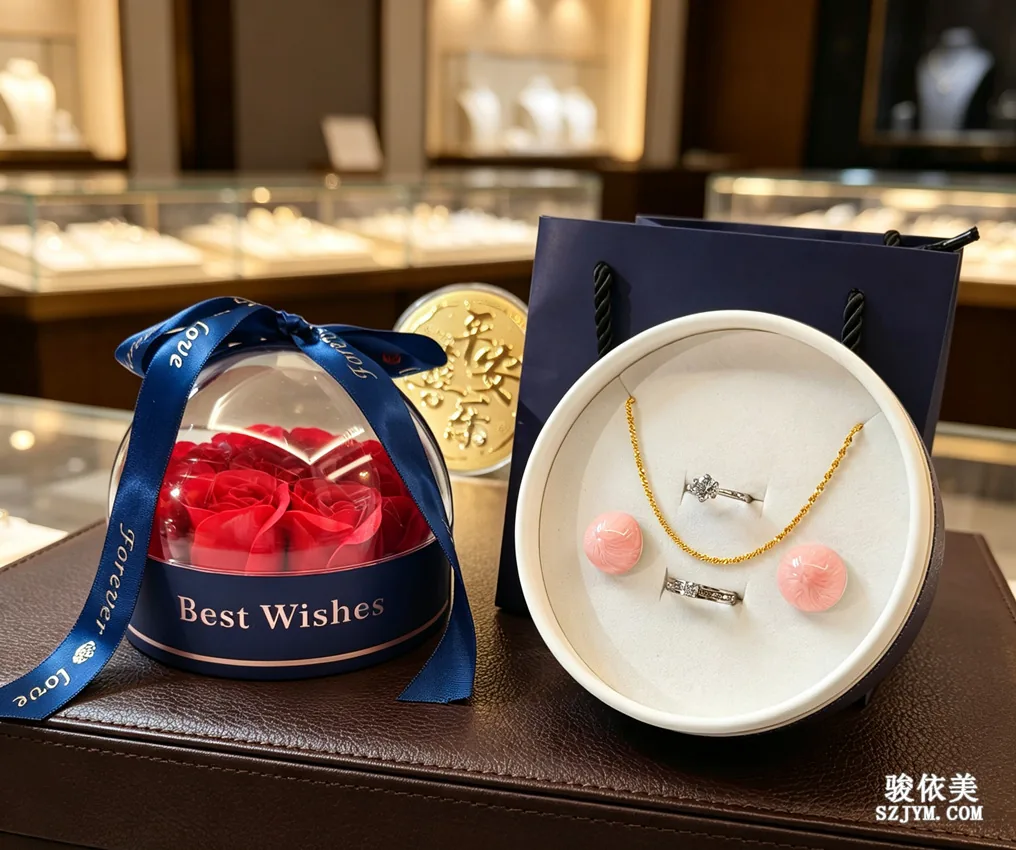
The path a customer walks decides how much merchandise they see. The goal of the flow is to lead customers naturally through most of the store instead of letting them glance around and leave. A circular flow suits jewelry stores best: customers enter through the main door, pass the ring counter first, circle clockwise through the necklace counter and the earring counter, pause at the try-on zone, and leave through the main door. Along the route, every counter needs visible display: shelves facing the customer hold seasonal styles, corner positions hold high-margin accessories, and brighter lights pick them out.
Execution is where flow succeeds or fails. In the first days after a holiday, staff positions often block customers' sight lines; the cash desk faces the hero position, and customers feel watched the moment they enter, so they hurry. Reset a few details together: move the cash desk to the end of the flow so it does not block the main aisle; have staff stand inside the counter rather than at the door; place the try-on mirror mid-flow so customers stop naturally; and light the hero position one step brighter than its surroundings. None of this requires new fixtures or renovation; it can be done in a day, with immediate effect.
While resetting, check the props as well. Holidays are peak season for prop wear: ring trays carry pressed dents, stand paint gets scratched white, hand-form joints loosen, price card slots tilt. These small damages go unnoticed at ordinary times, but a reset is the right moment to go through them: turn or replace velvet trays with deep dents, touch up scratched stands with matching spray paint, tighten loose joints, and straighten tilted slots. Prop condition affects the look as much as arrangement; a sagging ring pillow makes the diamond beside it look dimmer too. Since you are moving the positions anyway, repair the prop details in the same pass and get two jobs done in one.
Finally, one hero piece. The whole store needs only one hero. The first two weeks after new goods arrive are the golden window; all resources lean toward it: it stands at the high position facing the main entrance, its shelf gets the brightest light, no more than three coordinating pieces sit beside it, and its price tag switches to a striking style. Staff talking points revolve around it too; after introducing the hero they naturally bring out the coordinating pieces. The ten minutes a customer spends trying on the hero piece are the most valuable ten minutes in the store.
Choosing the hero takes thought. It need not be the most expensive piece, but the one that best represents the season's style and that people remember. A hero piece is the thread that ties the store together: customers stop at the door because of it, walk to it along the flow, and remember the store for the try-on experience. The post-holiday reset is not a big operation: close the entrances down to one, straighten the flow, stand the hero up, and the state that drifted away during the holiday comes back.
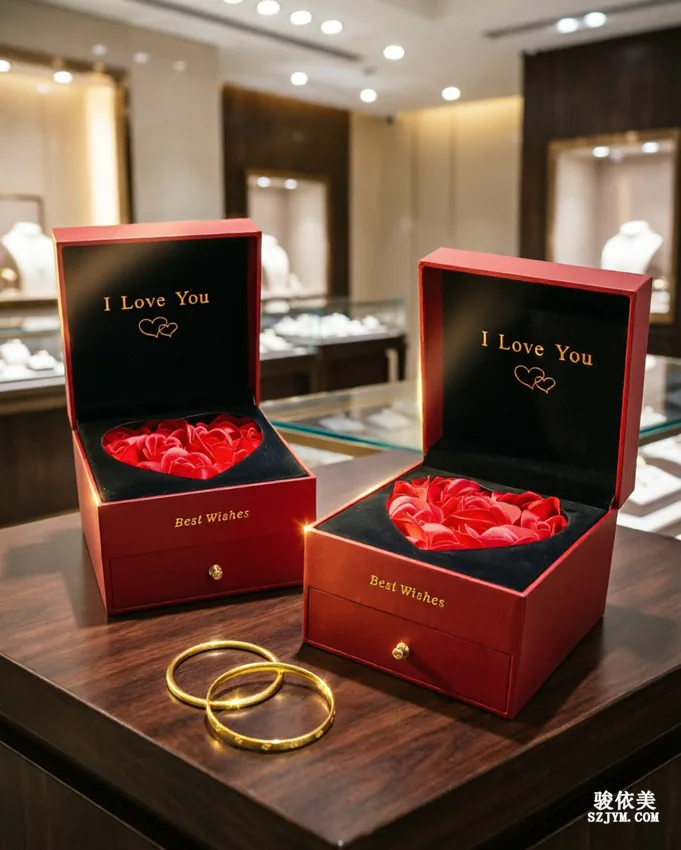
The reset is not a one-time action; the first month after a holiday needs a rhythm. In the first three days, touch only the hero position and the flow so staff adapt to the new standing spots. After a week, fine-tune once based on daily sales records: pieces that no one touched for days come off the shelf, pieces repeatedly picked up for try-on move one notch closer to the main entrance. At the end of each month, do a full pass over counters, lighting and props, replacing what needs replacing and repairing what needs repair. The value of a reset lies not in how perfect one arrangement is, but in keeping the counter in a state of being managed rather than being decorated.
节后开店第一个动作,不该是补货,而是把柜台重新排一遍。假期里店员按老位置摆放,客人按老路线走动,动线僵了、主推位也模糊了。这一篇讲三个抓手:一个入口、一条动线、一件主打。
先说一个入口。珠宝店客流入口往往不止一个,商场店有正门侧门,沿街店有主门和侧橱窗。入口一多,客人目光被拆散。重排第一步是明确一个主入口,把最想卖、最新到的货都冲着它摆:正对区域放当季主推,两侧留给成套和配饰;侧门不是主要客流方向,就少放货、多放品牌形象。
再说一条动线。客人进店后的行走路径,决定了他们能看到多少货。动线设计的目标,是让客人自然地走完店内的大部分区域,而不是进门看两眼就转身离开。环形动线最适合珠宝店:客人从主入口进来,先经过左手边的戒指柜,顺时针绕到中间的项链柜,再转到右手边的耳饰柜,最后在试戴区停留,从正门离开。这条路线里,每个柜台都要有"看得见"的展示——朝向来客方向的格位放当季款,朝向店员方向的格位放常青款,转角位置放高毛利配饰,用亮度更高的灯光点出来。
动线的关键在执行。节后刚开门几天,店员站位往往挡住客人视线,收银台正对主推位,客人一进门就被注视,不自觉地加快脚步。重排要同步调几个细节:收银台挪到动线末端、不堵主通道;店员站柜台内侧而不是门口;试戴镜放动线中段,让客人停下。
柜台之间的过渡常常被忽略,而过渡恰恰决定动线顺不顺。戒指柜和项链柜并排时,中间的接缝处不要摆货,留一小段空档,放一只简单的托盘或一盆小绿植,客人的视线有了停留点,脚步也会自然地放慢;如果两个柜台的风格差别大,比如一边是深色绒布、一边是浅色亚克力,中间就用与两边都搭得的灰色过渡层,让眼睛先适应再换节奏。柜内的分层也一样,上层放当季款、中层放畅销款、下层放基础款,是珠宝柜台最稳的三层结构;客人视线先经过上层,所以上层永远留给最想被看见的货。
柜台之间的过渡常被忽略,而过渡恰恰决定动线顺不顺。戒指柜和项链柜并排时,中间接缝处不要摆货,放一只简单托盘或小绿植,客人视线有了停留点;两边风格差别大时,中间用灰色过渡层。柜内分层也一样:上层放当季款、中层放畅销款、下层放基础款,上层永远留给最想被看见的货。
最后说一件主打。节后新品到店的头两周是黄金期,所有资源向它倾斜:摆在主入口正对的高位,格位用最亮的灯光,旁边只搭配三件以内的关联款,价格签换成醒目款型,店员话术也围绕它展开。客人试戴主打的过程,就是整间店最值钱的十分钟。
重排的时候,顺便把道具也过一遍。假期是道具损耗的高峰期:托盘绒布上留下了戒指压痕,支架的漆面被蹭出白点,模特手的关节松了,价格签的卡槽歪了。这些细小的损耗平时不起眼,重排时正好集中检查一遍:压痕深的绒布托盘翻个面或者换新,漆面破损的支架用同色喷漆补一补,关节松动的模特手拧紧螺丝,卡槽歪的价格签重新装正。道具的状态和货品的摆放一样影响观感,一只瘪下去的戒指托,会让旁边那枚钻戒看起来也黯淡几分。重排动了柜位,就顺手把道具的细节一起修好,一遍功夫做两件事。
主打怎么选有讲究,不一定是店里最贵的,而是最能代表当季风格、最能让人记住的那件。一件主打是串起整间店的线头:客人因为它在门口停下,因为动线走到它面前,因为试戴体验记住这家店。节后重排不是大动干戈:入口收一收、动线理一理、主打立起来,假期散掉的状态就回来了。
重排不是一次性动作,节后第一个月要有节奏。头三天只动主推位和动线,让店员先适应新站位;一周后根据成交记录微调一次,几天没人碰的货换下去,频频被拿起试戴的往主口挪一档;月底做一次大排,把柜位、灯光、道具过一遍,该换的换、该修的修。重排的价值不在一次摆得多完美,而在让柜台始终被经营。