The Size Logic of Display Props: Measure the Merchandise Before You Order陈列道具的“尺寸哲学”:托盘格位和支架高度,先量货再下单
Walk into a jewelry counter and you often see the same scene: a ring stuck in a deep slot while the customer digs for it, a necklace hanging on a stand too short so the chain drags across the velvet in a tangle, or stud earrings scattered loosely in oversized compartments. The merchandise is fine — the props just don't match the merchandise in size. The first lesson of display is not beauty, it's fit: measure your goods before you order.
Start with rings. Ring trays typically come with either round single-ring wells or long channel slots. The inner diameter of a round well should be about one centimeter larger than the ring's outer diameter — the ring sits without wobbling, and the customer can pick it out with two fingers. Channel slots should be 2.5 to 3.5 cm wide. Too narrow and rings jam; too wide and they roll around. Some stores use slanted ring pads that hold rings at a 30-degree angle, so shoppers see the face of the ring without lifting it — try-on rates visibly improve.
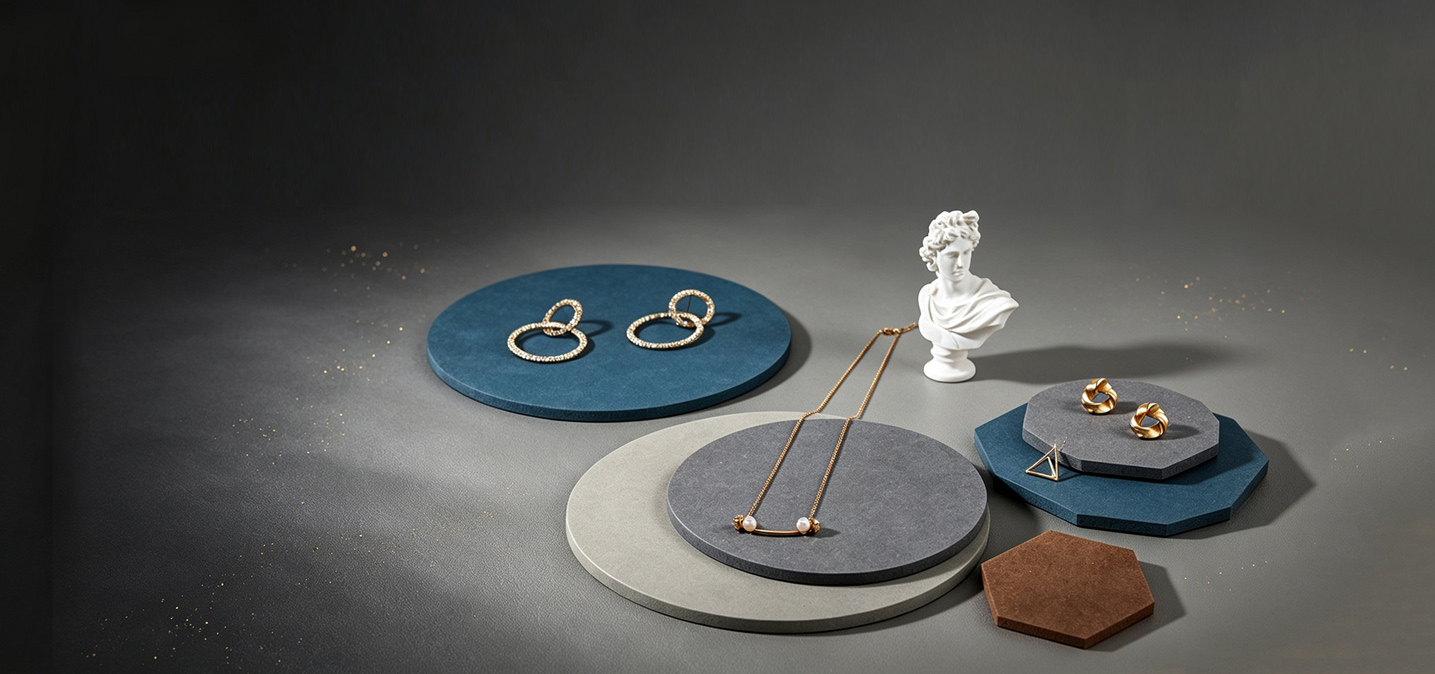
Earrings follow their own logic. Stud compartments of three to four centimeters square work best; too deep and the post disappears into the velvet. Earrings need flat compartments or earring bars, with thick padding at the bottom so metal doesn't scratch the tray. Necklaces and bracelets are the most neglected: short chains need stands around 15 to 25 cm tall, long chains need 40 to 60 cm upright stands so the chain tail just touches the velvet instead of piling up. Bracelets belong on curved or angled displays — lying flat, customers can't judge the opening size.
What happens when sizes are wrong? One store bought deep-slot trays for everything to save money. Small earrings rattled in the compartments, big rings wouldn't fit, and customers needed the staff to hunt for pieces with a magnifier. Meanwhile, old shops whose trays are sized to their actual inventory keep every piece "in its place" — visible, reachable, and easier to sell.
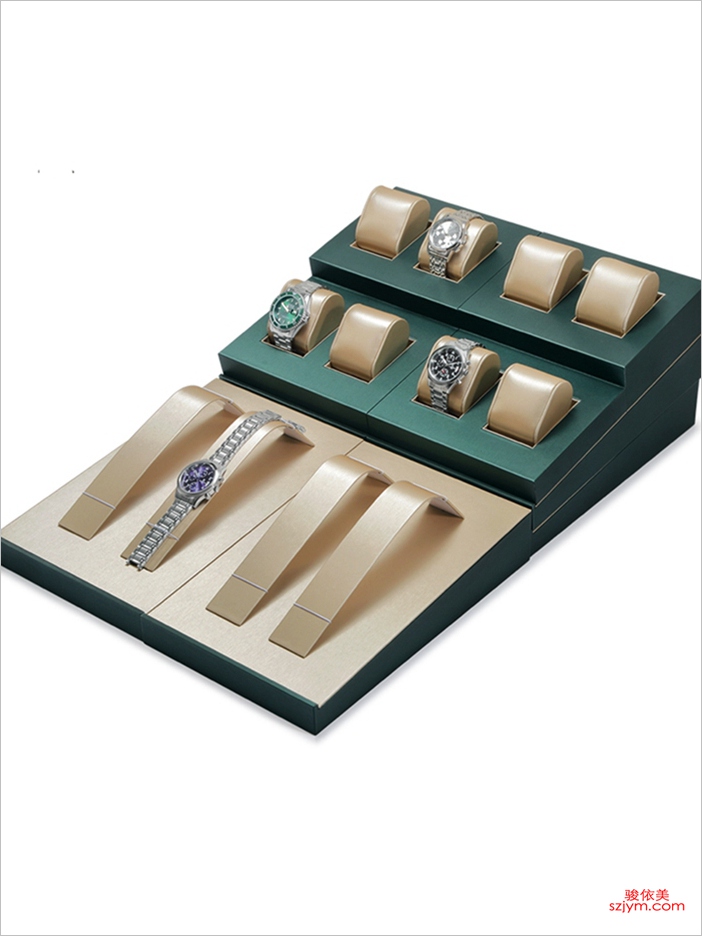
So before ordering any display props, measure your stock: rings from smallest to largest size, necklaces from shortest to longest, bracelet diameter ranges. Match those numbers to slot sizes and stand heights. Modular trays with interchangeable compartments — like the TP and SH series — are worth recommending: when your assortment changes, the props adjust with it instead of being scrapped. Props serve the merchandise; get the size right, and the merchandise speaks for itself.
Slot depth matters too: shallow compartments let customers grab quickly, so the try-on zone uses shallow; deep compartments keep dust off and suit high-value pieces in the display zone. People also ask about acrylic transparent compartments versus velvet — acrylic feels light and modern, great for colored stones and enamel, grabbing attention through transparency; velvet gathers light and reads precious, right for diamonds and platinum that need atmosphere. They're not substitutes; using both by merchandise type makes the counter layered.
And don't forget the relationship between props and people. The ideal display band sits at a customer's eye line between 1.2 and 1.4 meters — the "golden band." Put hero pieces at that height, basics below the knee and above the head. Arrange props by this rule first; talk about beauty after.
 去柜台看货,常遇到这样的场面:戒指躺在深格里,客人伸手抠半天才拿出来;项链挂在短支架上拖到绒面上,链尾绞成一团;耳钉在宽格子里东倒西歪,一排摆下来像散货。货其实是好货,坏就坏在道具和货的尺寸没对上。陈列道具的第一课不是好看,是"合适"——量过货再下单,比什么都重要。
先说戒指。柜台里最常见的是戒指托盘,格位大概分两种:圆孔单枚位和长条槽位。单枚圆孔的内径要比戒指外径大出一厘米左右,戒指放进去不晃、客人两指能直接捏出来;条槽位的宽度在2.5到3.5厘米之间,太窄戒指卡住拔不出,太宽戒指在里面打滚,一排摆下来歪七扭八。我们还见过一种斜放式的戒指盘,戒指以30度左右的角度躺进去,客人不用拿起来就能看到戒面,试戴率明显高。
耳钉耳环又是另一套尺寸逻辑。耳钉格位三到四厘米见方最顺手,太深会把针脚整个吞进绒里,客人看不到针的成色;耳环则要平放格或挂耳条,平放格稍深一点没关系,但底部绒要厚,不然金属件磕在盘底出细痕。项链和手镯道具最容易被忽略:短链要用15到25厘米左右高度的支架,长链得配40到60厘米的立架,链子挂上去尾部正好垂到绒面而不过度堆叠;手镯最好是弧面或斜插式的展架,平躺着放,客人看不出圈口大小。
尺寸选错了会怎样?真有一家店为了省事统一采购了一批深格托盘,结果小耳钉在格子里晃、大戒指塞不进格,客人试戴要导购弯腰拿放大镜找,销量肉眼可见地掉。反而是些老店,托盘格位按自家货品的实际尺寸定做,件件货都能"各就各位",客人看得清、拿得出,成交自然顺。
所以选陈列道具前,先做一件事:把店里的货按品类量一遍尺寸——戒指的最小圈口到最大圈口、项链的最短到最长、手镯的直径区间,拿这些数字去对格位和支架高度。搭配上,推荐用可自由组合的模块化托盘和TP系列、SH系列这些能混搭格位的产品,货品结构变了,道具还能跟着调,不用整批换新。道具是给货服务的,尺寸对了,货才说话。
格位的深度同样有讲究:浅格方便客人快速拿取,试戴区用浅格,客人伸手就到;深格防尘防枆,适合高货值单品陈列区。还有朋友问亚克力透明格和绒布格怎么选——透明格轻快现代,适合彩色宝石和珐琅彩,靠通透感抓眼球;绒布格聚光显贵,适合需要氛围的钻石白金。两者不是替代关系,按货分着用,柜台层次更丰富。
最后别忘了道具和人的关系。柜台的最佳展示高度在客人视线1.2米到1.4米的"黄金带",这个高度范围内的格位放主推款,低于膝盖和高于头顶的位置放基础款。道具买回来,先按这个原则排一遍,再谈好看不好看。
去柜台看货,常遇到这样的场面:戒指躺在深格里,客人伸手抠半天才拿出来;项链挂在短支架上拖到绒面上,链尾绞成一团;耳钉在宽格子里东倒西歪,一排摆下来像散货。货其实是好货,坏就坏在道具和货的尺寸没对上。陈列道具的第一课不是好看,是"合适"——量过货再下单,比什么都重要。
先说戒指。柜台里最常见的是戒指托盘,格位大概分两种:圆孔单枚位和长条槽位。单枚圆孔的内径要比戒指外径大出一厘米左右,戒指放进去不晃、客人两指能直接捏出来;条槽位的宽度在2.5到3.5厘米之间,太窄戒指卡住拔不出,太宽戒指在里面打滚,一排摆下来歪七扭八。我们还见过一种斜放式的戒指盘,戒指以30度左右的角度躺进去,客人不用拿起来就能看到戒面,试戴率明显高。
耳钉耳环又是另一套尺寸逻辑。耳钉格位三到四厘米见方最顺手,太深会把针脚整个吞进绒里,客人看不到针的成色;耳环则要平放格或挂耳条,平放格稍深一点没关系,但底部绒要厚,不然金属件磕在盘底出细痕。项链和手镯道具最容易被忽略:短链要用15到25厘米左右高度的支架,长链得配40到60厘米的立架,链子挂上去尾部正好垂到绒面而不过度堆叠;手镯最好是弧面或斜插式的展架,平躺着放,客人看不出圈口大小。
尺寸选错了会怎样?真有一家店为了省事统一采购了一批深格托盘,结果小耳钉在格子里晃、大戒指塞不进格,客人试戴要导购弯腰拿放大镜找,销量肉眼可见地掉。反而是些老店,托盘格位按自家货品的实际尺寸定做,件件货都能"各就各位",客人看得清、拿得出,成交自然顺。
所以选陈列道具前,先做一件事:把店里的货按品类量一遍尺寸——戒指的最小圈口到最大圈口、项链的最短到最长、手镯的直径区间,拿这些数字去对格位和支架高度。搭配上,推荐用可自由组合的模块化托盘和TP系列、SH系列这些能混搭格位的产品,货品结构变了,道具还能跟着调,不用整批换新。道具是给货服务的,尺寸对了,货才说话。
格位的深度同样有讲究:浅格方便客人快速拿取,试戴区用浅格,客人伸手就到;深格防尘防枆,适合高货值单品陈列区。还有朋友问亚克力透明格和绒布格怎么选——透明格轻快现代,适合彩色宝石和珐琅彩,靠通透感抓眼球;绒布格聚光显贵,适合需要氛围的钻石白金。两者不是替代关系,按货分着用,柜台层次更丰富。
最后别忘了道具和人的关系。柜台的最佳展示高度在客人视线1.2米到1.4米的"黄金带",这个高度范围内的格位放主推款,低于膝盖和高于头顶的位置放基础款。道具买回来,先按这个原则排一遍,再谈好看不好看。
去柜台看货,常遇到这样的场面:戒指躺在深格里,客人伸手抠半天才拿出来;项链挂在短支架上拖到绒面上,链尾绞成一团;耳钉在宽格子里东倒西歪,一排摆下来像散货。货其实是好货,坏就坏在道具和货的尺寸没对上。陈列道具的第一课不是好看,是"合适"——量过货再下单,比什么都重要。
先说戒指。柜台里最常见的是戒指托盘,格位大概分两种:圆孔单枚位和长条槽位。单枚圆孔的内径要比戒指外径大出一厘米左右,戒指放进去不晃、客人两指能直接捏出来;条槽位的宽度在2.5到3.5厘米之间,太窄戒指卡住拔不出,太宽戒指在里面打滚,一排摆下来歪七扭八。我们还见过一种斜放式的戒指盘,戒指以30度左右的角度躺进去,客人不用拿起来就能看到戒面,试戴率明显高。
耳钉耳环又是另一套尺寸逻辑。耳钉格位三到四厘米见方最顺手,太深会把针脚整个吞进绒里,客人看不到针的成色;耳环则要平放格或挂耳条,平放格稍深一点没关系,但底部绒要厚,不然金属件磕在盘底出细痕。项链和手镯道具最容易被忽略:短链要用15到25厘米左右高度的支架,长链得配40到60厘米的立架,链子挂上去尾部正好垂到绒面而不过度堆叠;手镯最好是弧面或斜插式的展架,平躺着放,客人看不出圈口大小。
尺寸选错了会怎样?真有一家店为了省事统一采购了一批深格托盘,结果小耳钉在格子里晃、大戒指塞不进格,客人试戴要导购弯腰拿放大镜找,销量肉眼可见地掉。反而是些老店,托盘格位按自家货品的实际尺寸定做,件件货都能"各就各位",客人看得清、拿得出,成交自然顺。
所以选陈列道具前,先做一件事:把店里的货按品类量一遍尺寸——戒指的最小圈口到最大圈口、项链的最短到最长、手镯的直径区间,拿这些数字去对格位和支架高度。搭配上,推荐用可自由组合的模块化托盘和TP系列、SH系列这些能混搭格位的产品,货品结构变了,道具还能跟着调,不用整批换新。道具是给货服务的,尺寸对了,货才说话。
格位的深度同样有讲究:浅格方便客人快速拿取,试戴区用浅格,客人伸手就到;深格防尘防枆,适合高货值单品陈列区。还有朋友问亚克力透明格和绒布格怎么选——透明格轻快现代,适合彩色宝石和珐琅彩,靠通透感抓眼球;绒布格聚光显贵,适合需要氛围的钻石白金。两者不是替代关系,按货分着用,柜台层次更丰富。
最后别忘了道具和人的关系。柜台的最佳展示高度在客人视线1.2米到1.4米的"黄金带",这个高度范围内的格位放主推款,低于膝盖和高于头顶的位置放基础款。道具买回来,先按这个原则排一遍,再谈好看不好看。