Luxury Watches Emerge as a New Safe-Haven Asset腕表成新避险资产
When equities wobble and property cools, a different kind of asset has been quietly climbing onto wrists. A watch is becoming a wearable safe-haven — and in 2026 the auction houses have turned that instinct into hard numbers.
Geneva Watch Week in May 2026 is the clearest coordinate for this shift. Between 9 and 12 May, Phillips, Christie's and Sotheby's cleared roughly US$155 million across five days and set more than 50 world records. Phillips' Geneva Watch Auction XXIII hammered CHF 74.8 million (about US$96.3 million), the highest single watch auction total ever recorded at public sale. Christie's Rare Watches sold 228 lots at a 99% sell-through for US$42.3 million, which the house flagged as the highest various-owner watch auction in its history. The structure is the interesting part: Phillips' watch business reached US$235 million in the first half alone at a 99.8% sell-through, with bidders from over 70 countries, 30% of them new clients and under-40 collectors accounting for 35% — the people chasing trophy watches are no longer only old money in tailored suits.
The brand map is being redrawn too. Patek Philippe, Rolex and Audemars Piguet form the auction-house 'iron triangle', while Cartier has become the dark horse of the year on the strength of design-led pieces such as the Crash. The specifics are concrete: a Patek Philippe Ref. 2499 sold in Phillips Hong Kong for HK$80.37 million, a new Asian record for any timepiece, and a 1943 stainless-steel Ref. 1518 perpetual calendar chronograph fetched US$17.6 million in Geneva. The secondary market tells the same story in astronomical terms — global pre-owned watch sales reached about US$10.5 billion in the first half of 2026, with Rolex alone accounting for US$4.3 billion, or roughly 41% by value, up 43.5% year on year.
Why watches? The answer lives in the macro mood. As uncertainty rises, tangible assets that are small, high in value density and easy to inherit or move become natural allocation candidates. Bain & Company's wealth report with Hurun notes that global high-net-worth allocation to jewelry and coloured gemstones has climbed from 3% three years ago to 8% today. A watch carries one more attribute than most physical assets: it can be worn, authenticated by authorities, priced through transparent auction discovery and traded on a relatively liquid secondary market. Younger collectors are arriving, and family offices are treating watches as a legitimate alternative asset class — exactly the 'institutional entry' signal Luxmetrix identifies.
But the 2026 market is not the 2021 mania. Speculation has been purged and fundamentals pricing has returned: most reference prices sit in stable bands, and brand polarization is widening. Rolex's secondary average is about US$28,051, Patek Philippe's about US$114,760, Cartier is up 4.2% on the year and Tudor up 4.5%, while social-media hyped collaboration limited editions keep slipping. Buyers now want data-driven pricing, certificates and provenance rather than story bubbles. This is the same 'transparency equals value' logic already reshaping the coloured-gemstone market.
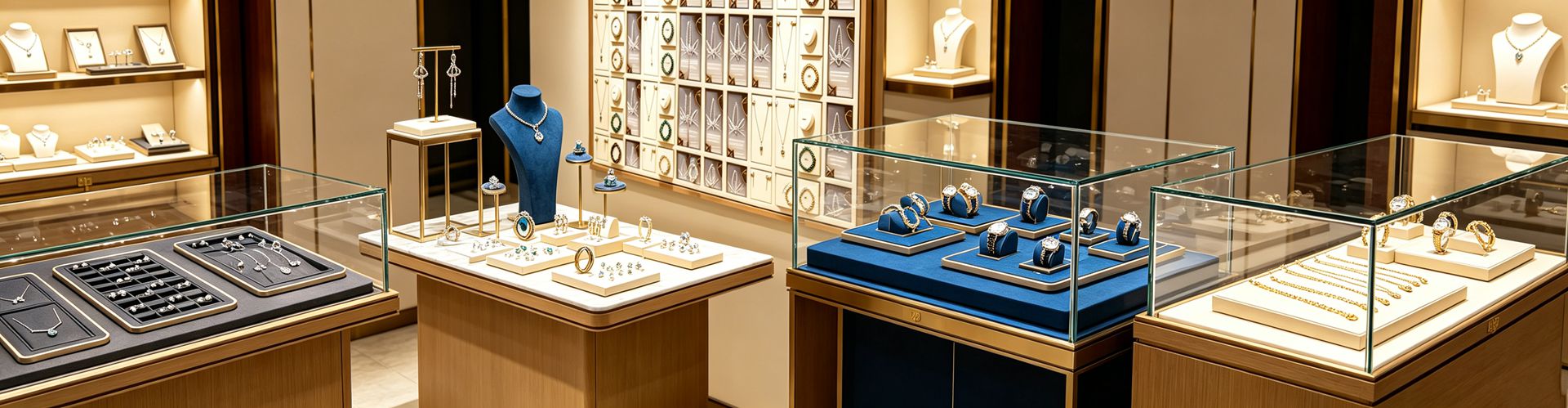
The collecting boom is also rewriting how watches are kept at home. Where one velvet pouch once sufficed, collectors now pair individual pieces with dedicated boxes, watch winders and travel hard cases; for owners of dozens of watches, the watch box has evolved from accessory into a private archive. The same impulse is reshaping jewellery storage — acid-free linings, individual compartments and customizable inserts let every piece sit in its own place. Shenzhen Junyimei's approach to jewelry box customization fits this exactly, engineering 'each piece's temperament' into 'each box's structure' rather than competing on surface print. Watch boxes and jewelry display props are no longer afterthoughts but part of stewardship.
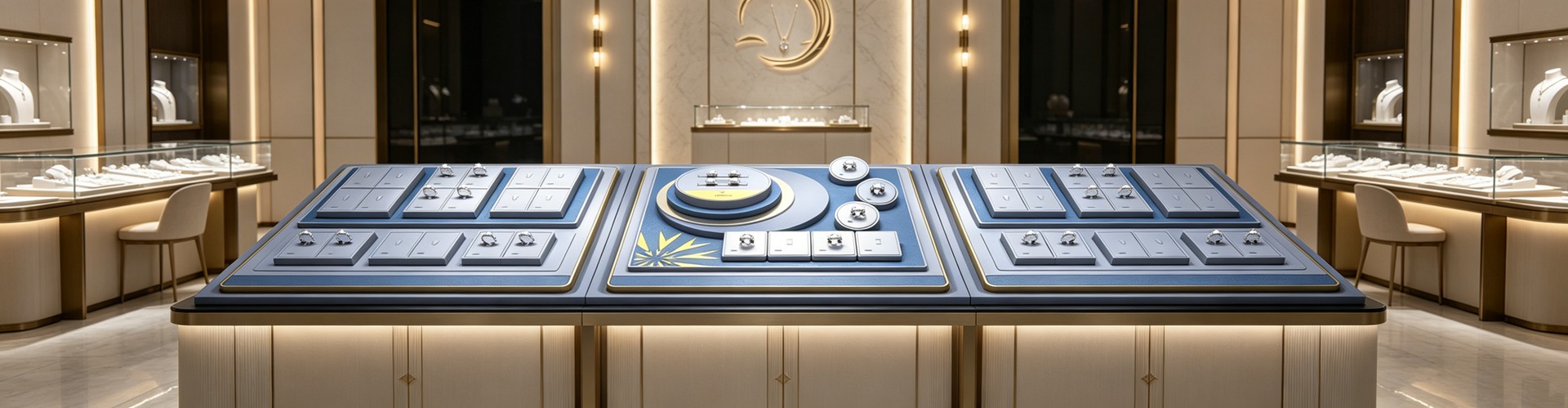
At the retail level, presentation decides the sale. Under proper lighting, watch display props and jewelry display stands determine the customer's first glance of trust and how long they dwell at the counter. A watch's premium is half in the movement and half in how it is presented; display props turn an abstract 'asset feel' into something visible and make a high price feel earned rather than intimidating. The jewelry display stand and the watch display prop are not supporting cast — they are the link that makes value legible.
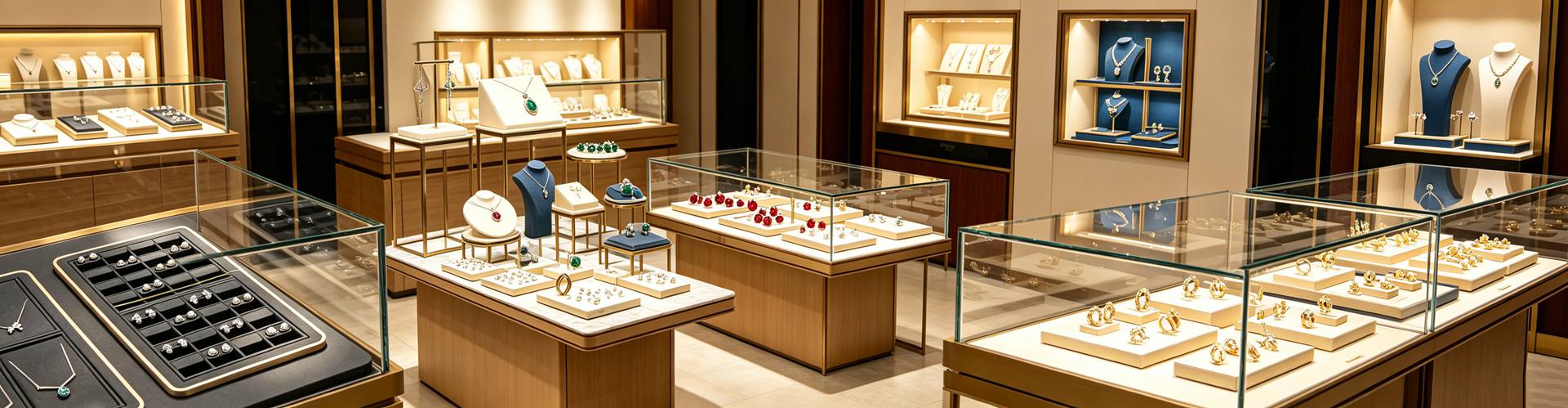
Watches becoming a new safe-haven asset is, at root, a migration of where value chooses to land. As younger buyers vote with their wallets and family offices write watches into allocation lists, winning this business is no longer only about the watch itself — it is about whether it is seen, trusted and properly kept. That, precisely, is what good packaging and good display are for.
This is original content. Copyright belongs to Shenzhen Junyimei.
Junyimei — present every jewel and timepiece at its best.当股市震荡、房产降温,一群高净值买家把目光转向了腕间。一枚表,正在变成可以戴在手腕上的「避险资产」——这股风,在2026年的拍卖场上已经吹成了实打实的成交数字。
2026年5月的日内瓦钟表周,是这股风最清楚的坐标。5月9日至12日,富艺斯、佳士得、苏富比三大拍卖行五天之内清出约1.55亿美元,刷新50余项世界纪录。富艺斯「日内瓦钟表拍卖XXIII」以7480万瑞郎(约9630万美元)创下公开拍卖史上单场钟表最高成交;佳士得「Rare Watches」228件99%成交、4220万美元,被自家定义为史上最高的一场非单一藏家钟表专拍。更值得玩味的是结构:富艺斯上半年钟表业务斩获2.355亿美元,成交率99.8%,竞投者来自70多个国家,其中30%是新客户,40岁以下年轻藏家占到35%——追捧名表的,不再只是西装革履的老钱。
品牌格局也在重写。百达翡丽、劳力士、爱彼构成拍卖场的「铁三角」,卡地亚凭Crash等设计款成为年度黑马。具体落点很硬:百达翡丽Ref.2499在富艺斯香港拍出8037万港元,刷新亚洲钟表拍卖纪录;一枚1943年的Ref.1518不锈钢万年历计时表在日内瓦拍出1760万美元。二手市场同样是天文数字——2026上半年全球二手表规模约105亿美元,劳力士一家卖出43亿美元,按金额占41%,同比猛增43.5%。
为什么是腕表?答案藏在宏观情绪里。当全球不确定性上升,体积小、价值密度高、便于传承与流通的实物资产,天然成为配置选项。贝恩公司与胡润研究院的财富报告显示,全球高净值人群在珠宝与彩色宝石上的配置比例已从三年前的3%升至8%。腕表比多数实物资产多了一重属性:它可以佩戴、可经权威鉴定、有拍卖行的价格发现机制、也有相对透明的二级市场。年轻藏家进场,家族办公室把表当作一个正经的另类资产类别——这正是Luxmetrix所总结的「机构入场」信号。
但2026年的表市,早已不是2021年的疯牛。投机退潮、基本面定价回归:多数参考价稳定在区间内,品牌明显分化——劳力士二手均价约2.8万美元,百达翡丽约11.5万美元,卡地亚年内上涨4.2%、帝舵涨4.5%,而一众靠社媒炒作的联名限量款仍在回落。买家要的是数据定价、证书与溯源,而非故事泡沫。这一点,和彩色宝石市场「透明度即价值」的逻辑如出一辙。
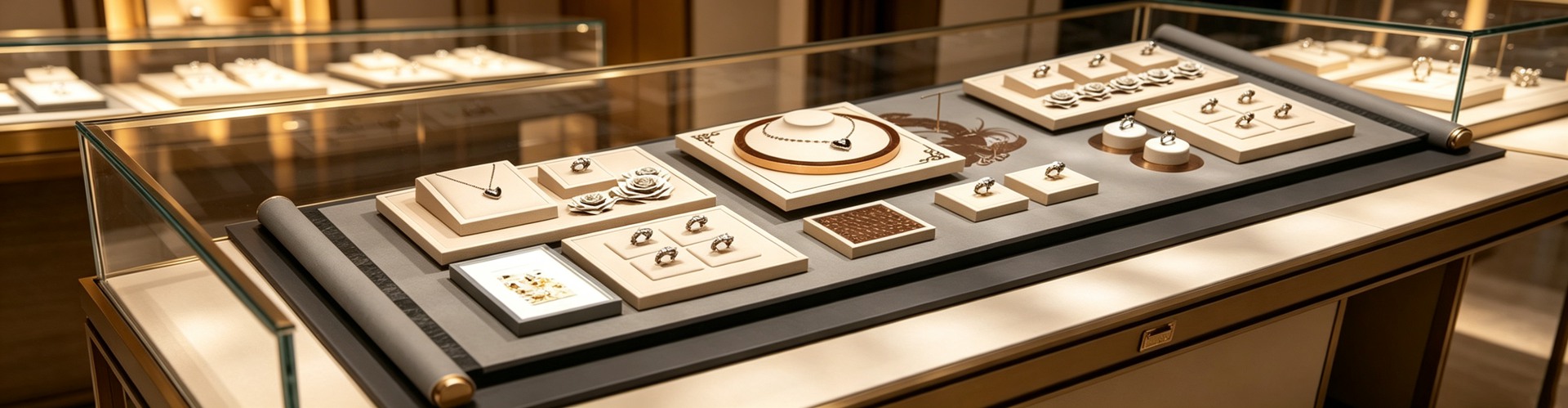
这股收藏热也改写了「在家怎么放」。过去一块表配个绒布袋了事,如今藏家会为不同表配独立表盒、自动上链盒与旅行硬壳;对拥有数枚乃至数十枚表的玩家,手表盒早已从配件升级为「私人腕表档案」。与之呼应,彩色宝石与金饰的饰品包装盒也在迭代——无酸内衬、独立格位、可定制卡位,让每件藏品各归其位。深圳骏依美在珠宝盒定制上的思路正与此同频:把「一件货的脾气」做进「一只盒的结构」,而非在表面印花上较劲。
越是贵重的腕表,越需要与之匹配的安放与陈列。一枚复杂功能表,怕磁、怕压、怕磕碰,随手塞抽屉等于让资产裸奔。这也是珠宝盒工厂把手表盒做成独立结构线的原因——独立表枕托住表耳、硬壳抗压强、防磁内衬隔绝日常磁场,让腕表在柜内柜外都被稳稳托住。对门店而言,珠宝陈列道具与手表陈列道具在恰当灯光下的质感还原,直接决定顾客在柜台前的第一眼信任与停留时长;一枚表的溢价,一半在机芯工艺,一半在它被如何呈现。珠宝摆台与手表陈列道具从来不是配角,而是把「资产感」可视化、把高价讲成理所应当的关键一环。
腕表成为新避险资产,本质上是一场关于「价值落在哪里」的迁移。当年轻人用钱包投票、当家族办公室把表写进配置清单,这门生意的胜负手,早已不止于表本身——更在于,你能否让它被看见、被信任、被妥善收藏。这,正是好包装与好陈列存在的意义。
本文为原创内容,版权归深圳骏依美所有,转载请注明出处。
骏依美——让每一件珠宝与腕表,都被更好地呈现。
Geneva Watch Week in May 2026 is the clearest coordinate for this shift. Between 9 and 12 May, Phillips, Christie's and Sotheby's cleared roughly US$155 million across five days and set more than 50 world records. Phillips' Geneva Watch Auction XXIII hammered CHF 74.8 million (about US$96.3 million), the highest single watch auction total ever recorded at public sale. Christie's Rare Watches sold 228 lots at a 99% sell-through for US$42.3 million, which the house flagged as the highest various-owner watch auction in its history. The structure is the interesting part: Phillips' watch business reached US$235 million in the first half alone at a 99.8% sell-through, with bidders from over 70 countries, 30% of them new clients and under-40 collectors accounting for 35% — the people chasing trophy watches are no longer only old money in tailored suits.
The brand map is being redrawn too. Patek Philippe, Rolex and Audemars Piguet form the auction-house 'iron triangle', while Cartier has become the dark horse of the year on the strength of design-led pieces such as the Crash. The specifics are concrete: a Patek Philippe Ref. 2499 sold in Phillips Hong Kong for HK$80.37 million, a new Asian record for any timepiece, and a 1943 stainless-steel Ref. 1518 perpetual calendar chronograph fetched US$17.6 million in Geneva. The secondary market tells the same story in astronomical terms — global pre-owned watch sales reached about US$10.5 billion in the first half of 2026, with Rolex alone accounting for US$4.3 billion, or roughly 41% by value, up 43.5% year on year.
Why watches? The answer lives in the macro mood. As uncertainty rises, tangible assets that are small, high in value density and easy to inherit or move become natural allocation candidates. Bain & Company's wealth report with Hurun notes that global high-net-worth allocation to jewelry and coloured gemstones has climbed from 3% three years ago to 8% today. A watch carries one more attribute than most physical assets: it can be worn, authenticated by authorities, priced through transparent auction discovery and traded on a relatively liquid secondary market. Younger collectors are arriving, and family offices are treating watches as a legitimate alternative asset class — exactly the 'institutional entry' signal Luxmetrix identifies.
But the 2026 market is not the 2021 mania. Speculation has been purged and fundamentals pricing has returned: most reference prices sit in stable bands, and brand polarization is widening. Rolex's secondary average is about US$28,051, Patek Philippe's about US$114,760, Cartier is up 4.2% on the year and Tudor up 4.5%, while social-media hyped collaboration limited editions keep slipping. Buyers now want data-driven pricing, certificates and provenance rather than story bubbles. This is the same 'transparency equals value' logic already reshaping the coloured-gemstone market.
The collecting boom is also rewriting how watches are kept at home. Where one velvet pouch once sufficed, collectors now pair individual pieces with dedicated boxes, watch winders and travel hard cases; for owners of dozens of watches, the watch box has evolved from accessory into a private archive. The same impulse is reshaping jewellery storage — acid-free linings, individual compartments and customizable inserts let every piece sit in its own place. Shenzhen Junyimei's approach to jewelry box customization fits this exactly, engineering 'each piece's temperament' into 'each box's structure' rather than competing on surface print. Watch boxes and jewelry display props are no longer afterthoughts but part of stewardship.
At the retail level, presentation decides the sale. Under proper lighting, watch display props and jewelry display stands determine the customer's first glance of trust and how long they dwell at the counter. A watch's premium is half in the movement and half in how it is presented; display props turn an abstract 'asset feel' into something visible and make a high price feel earned rather than intimidating. The jewelry display stand and the watch display prop are not supporting cast — they are the link that makes value legible.
Watches becoming a new safe-haven asset is, at root, a migration of where value chooses to land. As younger buyers vote with their wallets and family offices write watches into allocation lists, winning this business is no longer only about the watch itself — it is about whether it is seen, trusted and properly kept. That, precisely, is what good packaging and good display are for.
This is original content. Copyright belongs to Shenzhen Junyimei.
Junyimei — present every jewel and timepiece at its best.当股市震荡、房产降温,一群高净值买家把目光转向了腕间。一枚表,正在变成可以戴在手腕上的「避险资产」——这股风,在2026年的拍卖场上已经吹成了实打实的成交数字。
2026年5月的日内瓦钟表周,是这股风最清楚的坐标。5月9日至12日,富艺斯、佳士得、苏富比三大拍卖行五天之内清出约1.55亿美元,刷新50余项世界纪录。富艺斯「日内瓦钟表拍卖XXIII」以7480万瑞郎(约9630万美元)创下公开拍卖史上单场钟表最高成交;佳士得「Rare Watches」228件99%成交、4220万美元,被自家定义为史上最高的一场非单一藏家钟表专拍。更值得玩味的是结构:富艺斯上半年钟表业务斩获2.355亿美元,成交率99.8%,竞投者来自70多个国家,其中30%是新客户,40岁以下年轻藏家占到35%——追捧名表的,不再只是西装革履的老钱。
品牌格局也在重写。百达翡丽、劳力士、爱彼构成拍卖场的「铁三角」,卡地亚凭Crash等设计款成为年度黑马。具体落点很硬:百达翡丽Ref.2499在富艺斯香港拍出8037万港元,刷新亚洲钟表拍卖纪录;一枚1943年的Ref.1518不锈钢万年历计时表在日内瓦拍出1760万美元。二手市场同样是天文数字——2026上半年全球二手表规模约105亿美元,劳力士一家卖出43亿美元,按金额占41%,同比猛增43.5%。
为什么是腕表?答案藏在宏观情绪里。当全球不确定性上升,体积小、价值密度高、便于传承与流通的实物资产,天然成为配置选项。贝恩公司与胡润研究院的财富报告显示,全球高净值人群在珠宝与彩色宝石上的配置比例已从三年前的3%升至8%。腕表比多数实物资产多了一重属性:它可以佩戴、可经权威鉴定、有拍卖行的价格发现机制、也有相对透明的二级市场。年轻藏家进场,家族办公室把表当作一个正经的另类资产类别——这正是Luxmetrix所总结的「机构入场」信号。
但2026年的表市,早已不是2021年的疯牛。投机退潮、基本面定价回归:多数参考价稳定在区间内,品牌明显分化——劳力士二手均价约2.8万美元,百达翡丽约11.5万美元,卡地亚年内上涨4.2%、帝舵涨4.5%,而一众靠社媒炒作的联名限量款仍在回落。买家要的是数据定价、证书与溯源,而非故事泡沫。这一点,和彩色宝石市场「透明度即价值」的逻辑如出一辙。
这股收藏热也改写了「在家怎么放」。过去一块表配个绒布袋了事,如今藏家会为不同表配独立表盒、自动上链盒与旅行硬壳;对拥有数枚乃至数十枚表的玩家,手表盒早已从配件升级为「私人腕表档案」。与之呼应,彩色宝石与金饰的饰品包装盒也在迭代——无酸内衬、独立格位、可定制卡位,让每件藏品各归其位。深圳骏依美在珠宝盒定制上的思路正与此同频:把「一件货的脾气」做进「一只盒的结构」,而非在表面印花上较劲。
越是贵重的腕表,越需要与之匹配的安放与陈列。一枚复杂功能表,怕磁、怕压、怕磕碰,随手塞抽屉等于让资产裸奔。这也是珠宝盒工厂把手表盒做成独立结构线的原因——独立表枕托住表耳、硬壳抗压强、防磁内衬隔绝日常磁场,让腕表在柜内柜外都被稳稳托住。对门店而言,珠宝陈列道具与手表陈列道具在恰当灯光下的质感还原,直接决定顾客在柜台前的第一眼信任与停留时长;一枚表的溢价,一半在机芯工艺,一半在它被如何呈现。珠宝摆台与手表陈列道具从来不是配角,而是把「资产感」可视化、把高价讲成理所应当的关键一环。
腕表成为新避险资产,本质上是一场关于「价值落在哪里」的迁移。当年轻人用钱包投票、当家族办公室把表写进配置清单,这门生意的胜负手,早已不止于表本身——更在于,你能否让它被看见、被信任、被妥善收藏。这,正是好包装与好陈列存在的意义。
本文为原创内容,版权归深圳骏依美所有,转载请注明出处。
骏依美——让每一件珠宝与腕表,都被更好地呈现。