How to Pick a Travel Jewelry Case That Works旅行珠宝盒怎么选
Close the suitcase and the necklace knots, the ring picks up a scratch in the corner, the earring vanishes. Jewelry travels harder than its owner. The right travel case is not about fitting things in — it is about where they go, how you wear them, and who pays if they disappear.
Q1: Do I really need a dedicated travel jewelry case, or can I just toss pieces into my makeup bag?
The data is blunt. Dataintelo's 2025 research notes that over 62% of frequent female travelers now carry a dedicated jewelry organizer, and Jewelers Mutual finds roughly 20% of travelers have lost or had fine jewelry stolen while traveling — earrings being the most commonly misplaced or lifted item. TSA checkpoints alone see 90,000-100,000 items left behind every month, with jewelry and watches near the top of the 'forgotten' list. Drop a ring into a cosmetics pouch and the hard items knock scratches into each other; a necklace becomes a tangle by default. A case with separate compartments and a velvet lining is, in effect, basic insurance for the trip. This is exactly why makers like Shenzhen Junyimei treat travel versions as a standalone product line rather than a shrink-wrapped afterthought — it solves a real, high-frequency pain, not a marketing angle. Once a jewelry box splits into 'home' and 'on the go,' the repurchase logic changes completely.
Q2: What material and structure actually protect jewelry in transit?
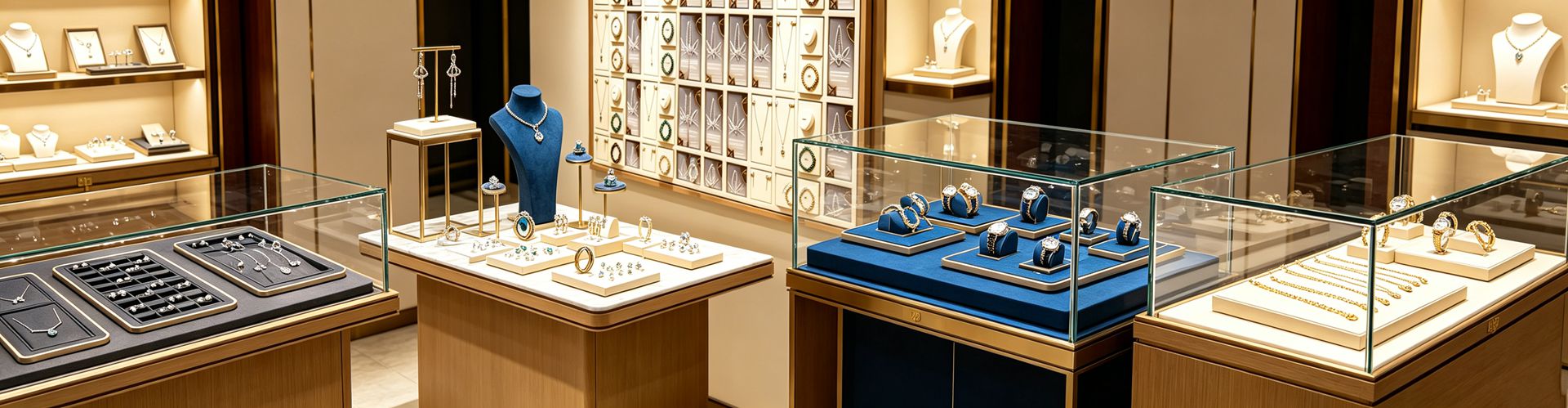
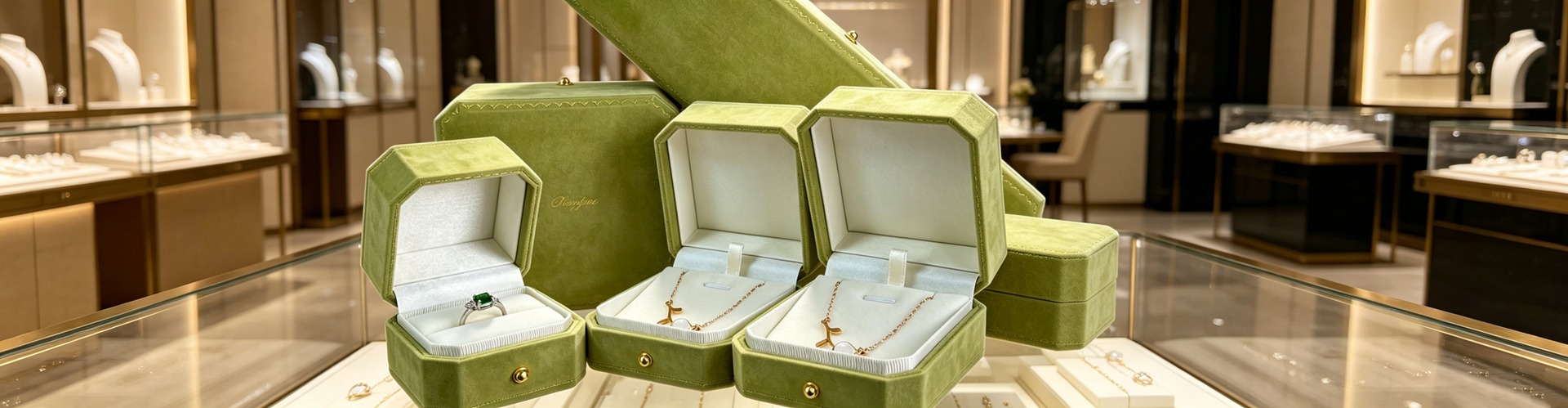
Three words: hard shell, dividers, lining. Market data shows hard-shell travel cases with combination locks grew about 14% year over year in 2025 among fine-jewelry owners — faster than soft pouches. Structurally you want a ring roll, a snap-hook earring panel, and removable padded slots so necklaces each get a channel and earrings each get a hole. Lining should be anti-tarnish velvet to keep metal off sulfur-containing board. The price ladder is clear: basic fabric or plastic runs about $8-25, while mid-to-high vegan leather, anti-tarnish and RFID-blocking liners reach $45-180 — the premium sits in tolerances and hand-feel, not the logo. For jewelry packaging design, the travel version is the toughest test of 'thin but not collapsed': board weight, fold precision, and magnet strength all have to be tighter than a home box. Jewelry box design shows its real quality on the road.
Q3: At security and in checked bags, how do I avoid loss, theft, or simply forgetting it?
A few rules. First, jewelry always stays on your person or in the carry-on — never checked. In April 2022 U.S. airlines mishandled over 220,000 checked bags, roughly 2 per 1,000 lost, and the checked chain passes through the most hands, which is precisely where theft clusters. Second, TSA says dainty rings, bands, and small necklaces can be worn through screening; only bulky metal may alarm and need removal — and if removed, put it in your own bag, never loose in the tray, the highest-risk move for theft and forgetfulness. Third, do not count on claims: TSA denial rates on lost-property claims run around 54%-70%, with jewelry the most often denied, and since 2002 over 500 officers have been fired for theft. That is why premium travel cases now add RFID-blocking liners and discreet, unbranded exteriors — a quiet, lockable case draws less attention than one shouting the brand.
Q4: In a hotel or at the beach, how do I display and wear pieces with dignity and safety?
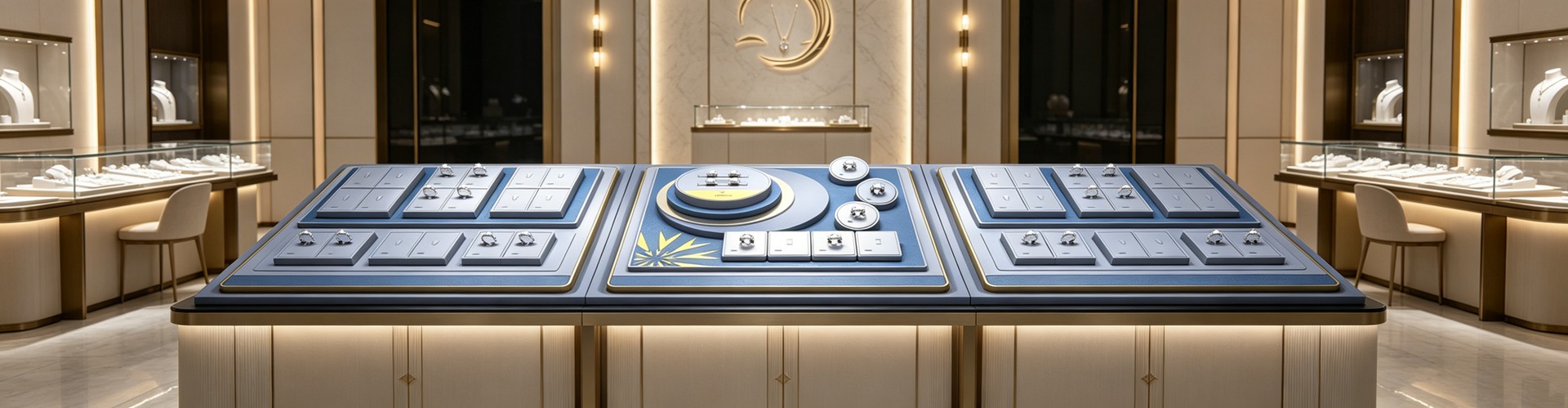
Travel is not 'dump it in the drawer.' Jewelers Mutual has a sobering stat: 72% of engagement-ring damage happens while traveling, and beaches are the number-one loss location — fingers shrink in water and the ring slips, usually into the sea, rarely to return. So split the 'wearing scenario': at the room, lay the day's pieces on a small portable jewelry display or tray, which adds ritual and prevents rummaging scratches; before the pool or shore, take them off and seal them in a dedicated pouch. The pouch here plays a second role — it is not just packaging but a mobile showcase and a social signal after you leave the store; a decent pouch reads far better than a bare pocket. The logic of jewelry display props travels from the counter to the trip: keep the piece seen, cared for, and not lost.
Q5: Why does high-end minimalist travel packaging win favor?
On the road, 'light' and 'presentable' are in natural conflict: checked bags have weight allowances, carry-ons have no spare inch, and an oversized case gets resented by its owner. This is the real-world version of the point owners often make — high-end minimalist jewelry packaging design is simply favored by customers. In travel, minimalism is not cheap material; it moves the budget from foil stamping to structural tolerance: a solid-color shell, one clean debossed logo, a restrained volume that slides into the side of a carry-on yet opens with dignity. A fully printed box that gets smudged or crushed looks worse on the road than at home. So a good travel case appears to 'do nothing,' while the work hides in board thickness, lining hardness, and magnet feel. Shenzhen Junyimei, when doing this kind of customization, cuts the excess decoration first and keeps only structure and tolerance.
Q6: Which categories most need a travel-specific case — rings, watches, pearls, silver?
Four cases. Engagement and wedding bands: highest travel damage rate, so the case needs a slot for the certificate and engraving card, with a smooth closure — many people carry them to propose or marry abroad. Watches: afraid of magnetism and pressure, need an independent watch pillow inside a hard shell, never mixed with necklaces. Pearls: afraid of water, sweat, and scratches, so a sealed pouch plus a separate soft slot, and never worn at the beach. Silver: afraid of sulfur tarnish, so use acid-free lining or a 'sacrificial' layer with silver or zinc particles that actively absorbs hydrogen sulfide. In the end, jewelry box customization on the road means building 'one piece's temperament' into 'one case's structure' — the细分 textbook a jewelry box factory should know best.
This is original content. Copyright belongs to Shenzhen Junyimei.
Junyimei — present every jewel and timepiece at its best.行李箱一合,项链缠成死结、戒指磕出划痕、耳钉不知所踪——出趟门,珠宝比人还累。一只对的旅行珠宝盒,解决的不是「装得下」,而是「带到哪、怎么戴、丢了谁赔」。
问一:出差旅行到底要不要专门带一只珠宝盒?塞进化妆包不行吗?
数据先说话。Dataintelo 2025 研究指,超 62% 频繁出行的女性旅客已随身带专用珠宝收纳;Jewelers Mutual 更现实——约 20% 旅客曾在途中丢过或被盗贵重珠宝,耳钉最常被顺走。TSA 安检口每月遗落 9 万至 10 万件,珠宝常居「易忘清单」前列。随手塞化妆包,硬物互磕出划痕、项链打结。一只带独立格位、绒布内衬的盒,等于给旅途买份基础险。这也是深圳骏依美这类珠宝盒工厂把「出行款」做成独立产品线的原因——它解决真实高频痛点。饰品包装盒一旦分出居家与随身,复购逻辑就变了。
问二:旅行珠宝盒怎么选材质和结构,才真的防压防刮?
三个词:硬壳、隔层、内衬。2025 年带密码锁的硬壳旅行盒在贵重珠宝用户中同比增约 14%,快于软包。结构要有戒指卷、耳钉挂钩板、可拆软垫隔层,项链各归槽、耳钉各归孔。内衬选防氧化绒布,避金属接触含硫纸板发黑。价格带清楚:基础款 8–25 美元,中高端植鞣皮、防磁内衬 45–180 美元,溢价来自公差手感而非 logo。对珠宝包装设计,出行款最考「薄而不塌」,纸板克重、折边、磁吸都比居家盒更克制。首饰盒设计的功力,在路上见分晓。
问三:过安检、托运行李,怎么避免被扣、被偷、被忘?
几条铁律。第一,珠宝永远随身进登机箱、绝不托运——2022 年 4 月美国航司误处理托运件超 22 万,约每千件丢 2 件,托运链经手人最多正是失窃段。第二,TSA 说细巧戒指、婚戒可戴着过检,仅 bulky 金属件可能取下;取下务必放进自己包,绝不放裸托盘——被盗与遗忘最高危。第三,别指望索赔:TSA 拒赔率约 54%–70%,珠宝最易被拒,自 2002 来 500 余名安检员因盗窃被解雇。故高端盒加 RFID 屏蔽内衬、无标识外观,降低「被盯上」。不张扬能上锁的盒更安全。
问四:到了酒店、海边,怎么临时陈列和佩戴才体面又安全?
旅行不是抽屉里一倒。Jewelers Mutual:72% 订婚戒指损伤发生在旅途,海滩是丢失第一——手指遇水收缩,戒指滑走入海难回。故「佩戴场景」分开:出门前用便携珠宝摆台或小展架把当天要戴的摆出,有仪式感也免翻找刮碰;去海边泳池前摘下,密封首饰袋单独收。首饰袋是第二重角色:不止包装,更是离店后的移动展柜与社交信号,质感对的袋比裸塞体面。珠宝陈列道具的思路从柜台延伸到旅途——让货被看见、被善待、别丢。
问五:高端简约的旅行珠宝包装,为什么反而更受青睐?
出行里「轻」与「体面」天然矛盾:托运有重量额、随身包寸土寸金,盒太大会被自己嫌。这正是老板常提的现实版——高端简约珠宝首饰品包装设计,更容易被顾客青睐。差旅中简约不是省料,是把预算从烫金印花挪到结构公差:纯色外壳、一枚干净压印 logo、克制体积,缩登机包侧袋不突兀、打开却体面。满版花纹盒一蹭脏压变形,途中比在家更狼狈。好出行盒「看起来什么都没做」,功夫藏在灰板厚度、内衬硬度、磁吸手感。深圳骏依美做定制先砍「多余装饰」,留结构与公差。
问六:哪些品类特别需要旅行专用盒?婚戒、手表、珍珠、银饰各有什么讲究?
分四类。婚戒对戒:旅途损伤率最高,盒留证书卡位、刻字卡位、开合顺滑,许多人带它异地求婚结婚。手表:怕磁怕压,要独立表枕加硬壳,别混装项链。珍珠:怕水汗刮,密封首饰袋加独立软格,海边勿戴。银饰:怕硫化,内衬用无酸材或嵌银微粒「牺牲层」吸硫化氢。珠宝盒定制在出行场景的价值,是把「一件货的脾气」做进「一只盒的结构」——这也是珠宝盒工厂最该懂的细分功课本。
本文为原创内容,版权归深圳骏依美所有,转载请注明出处。
骏依美——让每一件珠宝与腕表,都被更好地呈现。
Q1: Do I really need a dedicated travel jewelry case, or can I just toss pieces into my makeup bag?
The data is blunt. Dataintelo's 2025 research notes that over 62% of frequent female travelers now carry a dedicated jewelry organizer, and Jewelers Mutual finds roughly 20% of travelers have lost or had fine jewelry stolen while traveling — earrings being the most commonly misplaced or lifted item. TSA checkpoints alone see 90,000-100,000 items left behind every month, with jewelry and watches near the top of the 'forgotten' list. Drop a ring into a cosmetics pouch and the hard items knock scratches into each other; a necklace becomes a tangle by default. A case with separate compartments and a velvet lining is, in effect, basic insurance for the trip. This is exactly why makers like Shenzhen Junyimei treat travel versions as a standalone product line rather than a shrink-wrapped afterthought — it solves a real, high-frequency pain, not a marketing angle. Once a jewelry box splits into 'home' and 'on the go,' the repurchase logic changes completely.
Q2: What material and structure actually protect jewelry in transit?
Three words: hard shell, dividers, lining. Market data shows hard-shell travel cases with combination locks grew about 14% year over year in 2025 among fine-jewelry owners — faster than soft pouches. Structurally you want a ring roll, a snap-hook earring panel, and removable padded slots so necklaces each get a channel and earrings each get a hole. Lining should be anti-tarnish velvet to keep metal off sulfur-containing board. The price ladder is clear: basic fabric or plastic runs about $8-25, while mid-to-high vegan leather, anti-tarnish and RFID-blocking liners reach $45-180 — the premium sits in tolerances and hand-feel, not the logo. For jewelry packaging design, the travel version is the toughest test of 'thin but not collapsed': board weight, fold precision, and magnet strength all have to be tighter than a home box. Jewelry box design shows its real quality on the road.
Q3: At security and in checked bags, how do I avoid loss, theft, or simply forgetting it?
A few rules. First, jewelry always stays on your person or in the carry-on — never checked. In April 2022 U.S. airlines mishandled over 220,000 checked bags, roughly 2 per 1,000 lost, and the checked chain passes through the most hands, which is precisely where theft clusters. Second, TSA says dainty rings, bands, and small necklaces can be worn through screening; only bulky metal may alarm and need removal — and if removed, put it in your own bag, never loose in the tray, the highest-risk move for theft and forgetfulness. Third, do not count on claims: TSA denial rates on lost-property claims run around 54%-70%, with jewelry the most often denied, and since 2002 over 500 officers have been fired for theft. That is why premium travel cases now add RFID-blocking liners and discreet, unbranded exteriors — a quiet, lockable case draws less attention than one shouting the brand.
Q4: In a hotel or at the beach, how do I display and wear pieces with dignity and safety?
Travel is not 'dump it in the drawer.' Jewelers Mutual has a sobering stat: 72% of engagement-ring damage happens while traveling, and beaches are the number-one loss location — fingers shrink in water and the ring slips, usually into the sea, rarely to return. So split the 'wearing scenario': at the room, lay the day's pieces on a small portable jewelry display or tray, which adds ritual and prevents rummaging scratches; before the pool or shore, take them off and seal them in a dedicated pouch. The pouch here plays a second role — it is not just packaging but a mobile showcase and a social signal after you leave the store; a decent pouch reads far better than a bare pocket. The logic of jewelry display props travels from the counter to the trip: keep the piece seen, cared for, and not lost.
Q5: Why does high-end minimalist travel packaging win favor?
On the road, 'light' and 'presentable' are in natural conflict: checked bags have weight allowances, carry-ons have no spare inch, and an oversized case gets resented by its owner. This is the real-world version of the point owners often make — high-end minimalist jewelry packaging design is simply favored by customers. In travel, minimalism is not cheap material; it moves the budget from foil stamping to structural tolerance: a solid-color shell, one clean debossed logo, a restrained volume that slides into the side of a carry-on yet opens with dignity. A fully printed box that gets smudged or crushed looks worse on the road than at home. So a good travel case appears to 'do nothing,' while the work hides in board thickness, lining hardness, and magnet feel. Shenzhen Junyimei, when doing this kind of customization, cuts the excess decoration first and keeps only structure and tolerance.
Q6: Which categories most need a travel-specific case — rings, watches, pearls, silver?
Four cases. Engagement and wedding bands: highest travel damage rate, so the case needs a slot for the certificate and engraving card, with a smooth closure — many people carry them to propose or marry abroad. Watches: afraid of magnetism and pressure, need an independent watch pillow inside a hard shell, never mixed with necklaces. Pearls: afraid of water, sweat, and scratches, so a sealed pouch plus a separate soft slot, and never worn at the beach. Silver: afraid of sulfur tarnish, so use acid-free lining or a 'sacrificial' layer with silver or zinc particles that actively absorbs hydrogen sulfide. In the end, jewelry box customization on the road means building 'one piece's temperament' into 'one case's structure' — the细分 textbook a jewelry box factory should know best.
This is original content. Copyright belongs to Shenzhen Junyimei.
Junyimei — present every jewel and timepiece at its best.行李箱一合,项链缠成死结、戒指磕出划痕、耳钉不知所踪——出趟门,珠宝比人还累。一只对的旅行珠宝盒,解决的不是「装得下」,而是「带到哪、怎么戴、丢了谁赔」。
问一:出差旅行到底要不要专门带一只珠宝盒?塞进化妆包不行吗?
数据先说话。Dataintelo 2025 研究指,超 62% 频繁出行的女性旅客已随身带专用珠宝收纳;Jewelers Mutual 更现实——约 20% 旅客曾在途中丢过或被盗贵重珠宝,耳钉最常被顺走。TSA 安检口每月遗落 9 万至 10 万件,珠宝常居「易忘清单」前列。随手塞化妆包,硬物互磕出划痕、项链打结。一只带独立格位、绒布内衬的盒,等于给旅途买份基础险。这也是深圳骏依美这类珠宝盒工厂把「出行款」做成独立产品线的原因——它解决真实高频痛点。饰品包装盒一旦分出居家与随身,复购逻辑就变了。
问二:旅行珠宝盒怎么选材质和结构,才真的防压防刮?
三个词:硬壳、隔层、内衬。2025 年带密码锁的硬壳旅行盒在贵重珠宝用户中同比增约 14%,快于软包。结构要有戒指卷、耳钉挂钩板、可拆软垫隔层,项链各归槽、耳钉各归孔。内衬选防氧化绒布,避金属接触含硫纸板发黑。价格带清楚:基础款 8–25 美元,中高端植鞣皮、防磁内衬 45–180 美元,溢价来自公差手感而非 logo。对珠宝包装设计,出行款最考「薄而不塌」,纸板克重、折边、磁吸都比居家盒更克制。首饰盒设计的功力,在路上见分晓。
问三:过安检、托运行李,怎么避免被扣、被偷、被忘?
几条铁律。第一,珠宝永远随身进登机箱、绝不托运——2022 年 4 月美国航司误处理托运件超 22 万,约每千件丢 2 件,托运链经手人最多正是失窃段。第二,TSA 说细巧戒指、婚戒可戴着过检,仅 bulky 金属件可能取下;取下务必放进自己包,绝不放裸托盘——被盗与遗忘最高危。第三,别指望索赔:TSA 拒赔率约 54%–70%,珠宝最易被拒,自 2002 来 500 余名安检员因盗窃被解雇。故高端盒加 RFID 屏蔽内衬、无标识外观,降低「被盯上」。不张扬能上锁的盒更安全。
问四:到了酒店、海边,怎么临时陈列和佩戴才体面又安全?
旅行不是抽屉里一倒。Jewelers Mutual:72% 订婚戒指损伤发生在旅途,海滩是丢失第一——手指遇水收缩,戒指滑走入海难回。故「佩戴场景」分开:出门前用便携珠宝摆台或小展架把当天要戴的摆出,有仪式感也免翻找刮碰;去海边泳池前摘下,密封首饰袋单独收。首饰袋是第二重角色:不止包装,更是离店后的移动展柜与社交信号,质感对的袋比裸塞体面。珠宝陈列道具的思路从柜台延伸到旅途——让货被看见、被善待、别丢。
问五:高端简约的旅行珠宝包装,为什么反而更受青睐?
出行里「轻」与「体面」天然矛盾:托运有重量额、随身包寸土寸金,盒太大会被自己嫌。这正是老板常提的现实版——高端简约珠宝首饰品包装设计,更容易被顾客青睐。差旅中简约不是省料,是把预算从烫金印花挪到结构公差:纯色外壳、一枚干净压印 logo、克制体积,缩登机包侧袋不突兀、打开却体面。满版花纹盒一蹭脏压变形,途中比在家更狼狈。好出行盒「看起来什么都没做」,功夫藏在灰板厚度、内衬硬度、磁吸手感。深圳骏依美做定制先砍「多余装饰」,留结构与公差。
问六:哪些品类特别需要旅行专用盒?婚戒、手表、珍珠、银饰各有什么讲究?
分四类。婚戒对戒:旅途损伤率最高,盒留证书卡位、刻字卡位、开合顺滑,许多人带它异地求婚结婚。手表:怕磁怕压,要独立表枕加硬壳,别混装项链。珍珠:怕水汗刮,密封首饰袋加独立软格,海边勿戴。银饰:怕硫化,内衬用无酸材或嵌银微粒「牺牲层」吸硫化氢。珠宝盒定制在出行场景的价值,是把「一件货的脾气」做进「一只盒的结构」——这也是珠宝盒工厂最该懂的细分功课本。
本文为原创内容,版权归深圳骏依美所有,转载请注明出处。
骏依美——让每一件珠宝与腕表,都被更好地呈现。